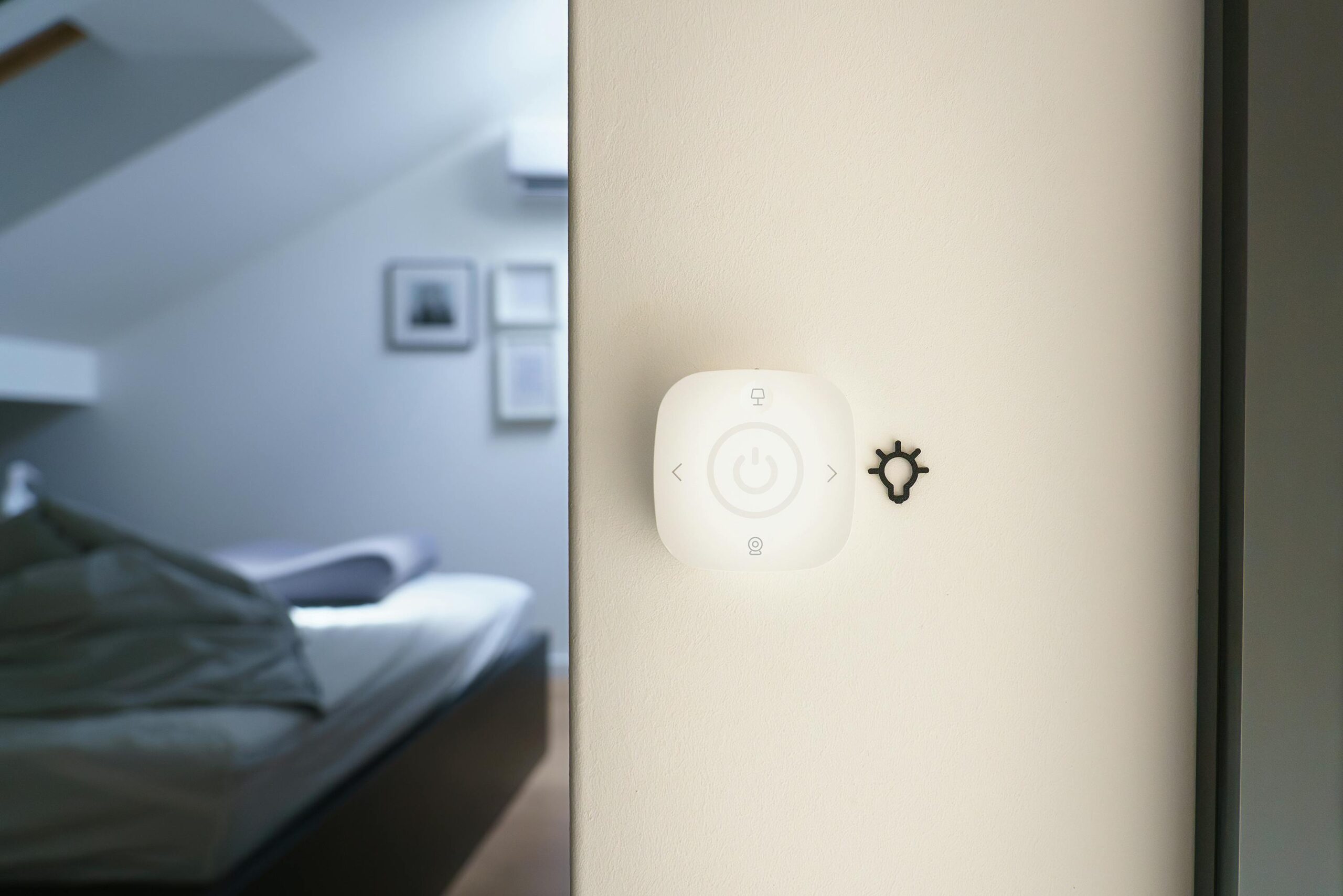
In today’s fast-paced world, managing your health across multiple apps and platforms can feel overwhelming. A unified wellbeing dashboard brings everything together in one place, transforming how you track and optimize your total wellness journey.

🎯 Understanding the Power of Unified Wellbeing Dashboards
Modern wellness is multidimensional, encompassing physical fitness, mental health, nutrition, sleep quality, and emotional balance. The challenge most people face isn’t a lack of data—it’s the fragmentation of information across countless apps, wearables, and tracking systems. This is where unified wellbeing dashboards emerge as game-changers.
A unified wellbeing dashboard serves as your personal health command center, consolidating data from various sources into a single, coherent interface. Instead of checking your fitness tracker for steps, a separate app for meditation minutes, another for nutrition, and yet another for sleep patterns, you gain a holistic view of your wellness landscape at a glance.
Research shows that people who visualize their health data comprehensively are 40% more likely to achieve their wellness goals compared to those using fragmented tracking methods. This integration doesn’t just save time—it reveals connections between different aspects of your health that might otherwise remain hidden.
🔗 The Core Components of Effective Wellness Tracking
Before diving into dashboard solutions, it’s essential to understand what aspects of wellbeing deserve monitoring. A comprehensive approach includes several interconnected dimensions that collectively define your health status.
Physical Health Metrics
Your body’s physical performance provides foundational wellness data. Key metrics include daily step counts, active minutes, heart rate variability, blood pressure readings, and body composition measurements. Modern sensors and wearables can capture this information automatically, feeding it directly into your unified dashboard.
Exercise frequency and intensity matter tremendously for longevity and quality of life. Tracking workout types, duration, and recovery periods helps you optimize training schedules while preventing burnout or injury. Integration with fitness equipment and gym apps ensures no workout goes unrecorded.
Nutritional Intelligence
What you consume directly impacts energy levels, mood stability, and long-term health outcomes. Nutritional tracking within wellness dashboards goes beyond simple calorie counting, analyzing macronutrient distribution, micronutrient intake, hydration levels, and meal timing patterns.
Advanced dashboards can identify nutritional deficiencies by comparing your intake against recommended daily values. Some platforms even correlate dietary choices with energy fluctuations, sleep quality, and workout performance, revealing personalized nutrition insights unique to your body.
Sleep Architecture and Recovery
Quality sleep represents the foundation of optimal wellness. Unified dashboards track total sleep duration, sleep stages (light, deep, REM), sleep consistency, and disturbances throughout the night. This data reveals patterns that might explain daytime fatigue, mood issues, or compromised immune function.
Understanding your sleep architecture allows for targeted improvements. Perhaps you’re getting enough total hours but lacking deep sleep, or your bedtime inconsistency is disrupting your circadian rhythm. Dashboard visualizations make these patterns immediately apparent.
Mental and Emotional Wellness
Your psychological state profoundly influences physical health and vice versa. Progressive wellness dashboards incorporate mood tracking, stress level monitoring, meditation practice, gratitude journaling, and mental health check-ins alongside physical metrics.
The integration of mental wellness data with physical tracking often reveals surprising correlations. You might discover that poor sleep consistently precedes anxious days, or that specific exercise types significantly boost your mood. These insights empower proactive mental health management.
📊 Building Your Personal Wellness Dashboard
Creating an effective unified dashboard requires thoughtful selection of tools and strategic data integration. The process involves evaluating your current tracking methods, identifying gaps, and implementing solutions that communicate seamlessly.
Selecting Compatible Tools and Devices
Start by auditing your existing wellness technology. Fitness trackers, smart scales, meditation apps, nutrition loggers, and sleep monitors should all support data export or API connections. Popular platforms like Apple Health, Google Fit, and Samsung Health serve as excellent aggregation hubs.
When choosing new tools, prioritize those with open ecosystems that integrate readily with other platforms. Closed systems that hoard your data limit your ability to create comprehensive wellness views. Look for devices and apps explicitly advertising integration capabilities.
Establishing Meaningful Metrics
Not all measurable data deserves prominent dashboard placement. Identify key performance indicators that genuinely reflect your wellness priorities. If stress management is your focus, heart rate variability and meditation consistency might be primary metrics. For weight loss goals, caloric balance and body composition take precedence.
Avoid dashboard clutter by limiting your primary view to 5-8 core metrics. Secondary data can remain accessible through deeper navigation, but your main dashboard should provide an instant wellness snapshot without overwhelming cognitive load.
Automation and Manual Inputs
The best dashboards balance automated data collection with manual qualitative inputs. Wearables automatically capture steps, heart rate, and sleep, while manual entries might include mood ratings, symptom tracking, or wellness observations that sensors cannot detect.
Set up automated synchronization schedules so your dashboard reflects current information without requiring constant manual updates. Many platforms sync in real-time or at predetermined intervals, ensuring your wellness overview stays fresh.
💡 Interpreting Dashboard Data for Actionable Insights
Raw data becomes valuable only when transformed into actionable insights. Learning to read your wellness dashboard effectively enables informed decisions that drive meaningful health improvements.
Identifying Patterns and Correlations
Weekly and monthly views often reveal patterns invisible in daily snapshots. Perhaps your exercise consistency drops every Thursday due to work stress, or your sleep quality degrades following late-night meals. Dashboard visualizations make these trends obvious.
Look for correlations between different health dimensions. Does increased step count correlate with better sleep? Do meditation days correspond with lower stress readings? Understanding these relationships allows you to leverage positive feedback loops in your wellness routine.
Setting Realistic Benchmarks
Your dashboard should display both current status and target goals. However, effective benchmarks require personalization rather than generic standards. A 10,000-step daily goal might suit one person while 7,000 steps represents an appropriate target for someone with mobility limitations.
Progressive dashboards adjust benchmarks based on your historical performance and gradual improvement trajectories. Instead of static goals, they propose dynamic targets that challenge without overwhelming, adapting as your fitness and wellness levels evolve.
Recognizing Warning Signs
Beyond tracking progress, wellness dashboards serve as early warning systems for declining health. Sudden changes in resting heart rate, sleep disruption patterns, or mood deterioration might signal developing issues requiring attention.
Configure alerts for significant deviations from your normal ranges. A resting heart rate suddenly 10 beats higher than your baseline could indicate overtraining, illness onset, or stress accumulation. Early detection enables timely intervention before minor issues escalate.
🚀 Advanced Dashboard Features That Transform Wellness Management
As wellness technology matures, sophisticated dashboard features provide unprecedented personalization and predictive capabilities that elevate health management from reactive to proactive.
Artificial Intelligence and Predictive Analytics
AI-powered dashboards analyze your historical data to predict future wellness outcomes and recommend preemptive actions. Machine learning algorithms might notice that your sleep quality typically declines three days after intense training, suggesting built-in recovery periods.
Predictive features can forecast energy levels for upcoming days based on recent sleep, nutrition, and activity patterns. This foresight enables strategic scheduling—planning demanding tasks for predicted high-energy days while reserving lighter activities for anticipated low-energy periods.
Social Integration and Accountability
Some unified dashboards incorporate social features that connect you with wellness communities, friends pursuing similar goals, or accountability partners. Sharing progress (with privacy controls) creates motivating social pressure and celebrates achievements with supportive audiences.
Group challenges, leaderboards, and shared milestones transform solitary wellness pursuits into engaging social experiences. Research consistently shows that social accountability increases goal achievement rates by over 60% compared to purely individual efforts.
Professional Integration
Advanced platforms enable secure data sharing with healthcare providers, nutritionists, therapists, or personal trainers. Rather than relying on self-reported information, professionals access comprehensive objective data that informs more accurate diagnoses and personalized recommendations.
This integration bridges the gap between consumer wellness tracking and clinical care. Your physician can review sleep patterns before prescribing sleep medications, or your nutritionist can analyze actual eating habits rather than relying on memory-based food recalls.
🛠️ Practical Tools and Platforms for Unified Wellness
Multiple platforms offer unified wellbeing dashboard capabilities, each with distinct strengths suited to different user needs and preferences. Understanding the landscape helps you select the optimal solution for your wellness journey.
Native Health Platforms
Apple Health and Google Fit provide foundational wellness aggregation built into iOS and Android devices respectively. These platforms consolidate data from numerous third-party apps and devices, offering basic visualization and trend analysis without additional cost.
Samsung Health similarly serves Samsung device users with comprehensive tracking capabilities. While native platforms offer convenience and broad compatibility, their analytics features often remain relatively basic compared to specialized wellness apps.
Specialized Wellness Aggregators
Apps like MyFitnessPal, Cronometer, and Lifesum focus primarily on nutrition while integrating fitness and weight data. These platforms excel in dietary tracking but may offer limited mental wellness or sleep analysis features.
Comprehensive platforms such as Welltory, Terra, and Gyroscope aggregate broader wellness data including stress levels, energy patterns, and detailed sleep architecture alongside physical metrics. These specialized tools often provide more sophisticated analytics than native platforms.
Wearable Manufacturer Ecosystems
Fitbit, Garmin, Whoop, and Oura each maintain proprietary ecosystems with dedicated dashboards optimized for their devices. These platforms offer exceptional depth for metrics their hardware captures but may integrate less seamlessly with external data sources.
The choice between wearable-specific ecosystems and device-agnostic platforms depends on whether you’re committed to a particular hardware brand or prefer flexibility to switch devices while maintaining data continuity.
🎨 Designing Your Ideal Dashboard Experience
Beyond selecting platforms, customizing your dashboard layout and information hierarchy significantly impacts daily usability and long-term engagement with wellness tracking.
Visual Hierarchy and Information Design
Your most critical metrics deserve prominent placement with clear, intuitive visualizations. Color coding helps rapid comprehension—green indicators for goals met, yellow for approaching targets, red for areas needing attention. Graphs should display trends without requiring data interpretation expertise.
Avoid information overload by implementing progressive disclosure. Your main screen shows essential daily metrics, with deeper data accessible through navigation. This layered approach provides quick check-ins while preserving access to detailed historical analysis when needed.
Personalization and Flexibility
Wellness priorities shift over time. A dashboard configured for weight loss might require restructuring once you transition to maintenance and shift focus toward strength building or stress management. Choose platforms offering customization flexibility that adapts to evolving goals.
Widget-based interfaces allow you to add, remove, or rearrange dashboard components without starting from scratch. This modularity ensures your wellness command center remains relevant throughout different life phases and changing health objectives.
🌟 Overcoming Common Dashboard Implementation Challenges
Despite their benefits, unified wellness dashboards present implementation hurdles that can frustrate users and undermine adoption. Anticipating these challenges enables proactive solutions that ensure long-term success.
Data Synchronization Issues
Different devices and apps sometimes fail to communicate reliably, creating data gaps or synchronization delays. Establishing troubleshooting protocols—checking API connections, reinstalling apps, or contacting support—minimizes disruption when technical problems arise.
Regular data audits verify that all sources feed information correctly. If your fitness tracker hasn’t synced in three days, you’ll notice the gap immediately rather than discovering missing data weeks later when patterns become unreliable.
Privacy and Data Security Concerns
Consolidating sensitive health information raises legitimate privacy questions. Prioritize platforms with robust encryption, clear privacy policies, and granular sharing controls. Understand what data companies collect, how they use it, and whether they sell information to third parties.
Enable two-factor authentication on wellness platforms containing personal health data. Regularly review connected apps and revoke access for services you no longer use. Treating wellness data with the same security consciousness as financial information protects your privacy.
Maintaining Consistent Engagement
Initial enthusiasm for wellness tracking often fades, with dashboard check-ins becoming sporadic. Combat engagement decline by establishing daily dashboard reviews as part of existing routines—checking wellness metrics during morning coffee or before bed alongside other habitual activities.
Gamification features like streak tracking, achievement badges, and progress milestones maintain motivation through immediate rewards. Sharing periodic summaries with accountability partners creates external motivation that sustains engagement during low-motivation periods.
🏆 Transforming Data Into Lasting Wellness Improvements
The ultimate purpose of unified wellbeing dashboards extends beyond data collection—they should catalyze meaningful lifestyle changes that enhance health, happiness, and longevity. Bridging the gap between information and transformation requires intentional application.
Creating Action Plans From Insights
Dashboard insights become valuable when translated into specific, actionable interventions. If data reveals consistent sleep deprivation on weeknights, create an action plan establishing earlier bedtimes, bedroom environment improvements, or evening routine adjustments.
Experiment systematically by changing one variable at a time while monitoring dashboard impacts. This scientific approach identifies which interventions genuinely improve your wellness versus changes that feel beneficial but lack objective support.
Celebrating Progress and Adjusting Course
Dashboards document your wellness journey, providing tangible evidence of progress that motivates continued effort. Periodically review long-term trends—comparing current metrics to those from six months or a year ago—to appreciate gradual improvements that daily snapshots might obscure.
When progress stalls despite consistent efforts, dashboard data helps diagnose obstacles. Perhaps your plateau coincides with increased work stress, seasonal changes, or gradual routine drift. Identifying specific barriers enables targeted solutions rather than generic intensification of efforts.
Building Sustainable Wellness Habits
Technology supports but cannot replace fundamental habit formation. Use your dashboard to reinforce positive behaviors until they become automatic. As healthy choices transition from conscious decisions to ingrained habits, you’ll need less frequent dashboard consultation to maintain wellness.
The ultimate success metric isn’t dashboard sophistication but improved quality of life. Does consistent tracking correlate with feeling more energetic, sleeping better, managing stress effectively, and experiencing greater life satisfaction? If technology enhances wellbeing without becoming burdensome, you’ve achieved the ideal balance.

✨ Your Journey Toward Integrated Wellness Begins Now
Unified wellbeing dashboards represent powerful tools for understanding and optimizing your health across all dimensions. By consolidating fragmented data into coherent visualizations, these platforms reveal patterns, enable informed decisions, and transform abstract wellness concepts into concrete, measurable progress.
Starting your dashboard journey requires selecting compatible tools, establishing meaningful metrics, and committing to consistent engagement. The initial setup investment pays dividends through enhanced self-awareness, early problem detection, and motivation sustained by visible progress.
Remember that perfect tracking matters less than consistent effort and actionable insights. Begin with core metrics that align with your primary wellness goals, expanding gradually as tracking becomes habitual. Your dashboard should serve your wellbeing journey, not dominate it with overwhelming complexity.
As you develop fluency with your unified wellness dashboard, you’ll discover the profound connection between awareness and transformation. What gets measured gets managed, and what gets managed improves. Your path to total health and happiness becomes clearer when illuminated by comprehensive, integrated wellness data that empowers every decision.
The technology exists, the methodology is proven, and the potential benefits are substantial. Your unified wellbeing dashboard awaits—ready to transform scattered health data into a coherent roadmap toward your best, healthiest, happiest self. 🌈