
Wellness is no longer a luxury—it’s a necessity. Integrated wellness intelligence brings a holistic approach to health, connecting mind, body, and spirit for lasting transformation and genuine happiness.

🌟 Understanding Integrated Wellness Intelligence
Integrated wellness intelligence represents a revolutionary approach to personal health management. Unlike traditional wellness programs that address isolated symptoms or single aspects of health, this comprehensive methodology recognizes the intricate connections between physical fitness, mental clarity, emotional resilience, and spiritual fulfillment.
The concept emerged from decades of research in psychoneuroimmunology, mindfulness practices, and holistic medicine. Scientists discovered that our mental state directly influences physical health, while our spiritual practices can reshape neural pathways. This interconnectedness forms the foundation of integrated wellness intelligence.
When you embrace this holistic framework, you’re not just treating symptoms—you’re cultivating a sustainable lifestyle that honors every dimension of your being. This approach empowers you to make informed decisions about nutrition, exercise, stress management, and personal growth simultaneously.
The Science Behind Mind-Body-Spirit Connection
Modern neuroscience has validated what ancient wisdom traditions have taught for millennia: our thoughts, emotions, and beliefs profoundly impact our physical health. The field of epigenetics reveals how lifestyle choices and mental states can actually modify gene expression without changing DNA sequences.
Research published in leading medical journals demonstrates that chronic stress elevates cortisol levels, triggering inflammation throughout the body. This inflammation becomes the root cause of numerous conditions, from cardiovascular disease to autoimmune disorders. Conversely, practices like meditation and gratitude activate the parasympathetic nervous system, promoting healing and regeneration.
The gut-brain axis represents another fascinating connection. Your digestive system contains over 100 million neurons, producing 90% of your body’s serotonin. This explains why nutritional choices don’t just affect physical energy—they directly influence mood, cognition, and emotional stability.
Neuroplasticity and Personal Transformation
Your brain possesses remarkable plasticity, continuously forming new neural connections based on experiences, thoughts, and behaviors. This means you’re never trapped by past patterns or genetic predispositions. Through consistent practice of wellness intelligence principles, you can literally rewire your brain for optimal functioning.
Studies using functional MRI scans show that regular meditation practice increases gray matter density in brain regions associated with memory, empathy, and stress regulation. Similarly, physical exercise stimulates neurogenesis—the creation of new brain cells—particularly in the hippocampus, enhancing learning and emotional processing.
💪 Elevating Your Physical Wellness
Physical health forms the foundation upon which mental clarity and spiritual growth flourish. However, integrated wellness intelligence approaches fitness differently than conventional programs that emphasize aesthetics over functionality.
True physical wellness encompasses five key components:
- Cardiovascular endurance: Building heart and lung capacity through varied aerobic activities
- Muscular strength: Developing functional strength that supports daily activities and prevents injury
- Flexibility: Maintaining range of motion to ensure fluid movement and reduce tension
- Balance and coordination: Enhancing proprioception for graceful, confident movement
- Metabolic health: Optimizing how your body processes nutrients and generates energy
The most effective approach combines movement types that honor your body’s natural design. High-intensity interval training builds cardiovascular capacity efficiently. Resistance training preserves muscle mass and bone density. Yoga and stretching maintain flexibility while calming the nervous system. Walking in nature provides gentle exercise while reducing stress and connecting you with the environment.
Nutrition as Information for Your Cells
Every food choice sends messages to your cells, influencing inflammation, hormone production, and energy metabolism. Integrated wellness intelligence views nutrition not as calorie restriction but as cellular communication.
Whole, unprocessed foods provide complex information that supports optimal functioning. Colorful vegetables deliver phytonutrients that combat oxidative stress. Quality proteins provide amino acids for neurotransmitter production. Healthy fats support brain function and hormone synthesis. Fiber feeds beneficial gut bacteria that influence mood and immunity.
Rather than following restrictive diets, focus on food quality and mindful eating. Notice how different foods affect your energy, mood, and mental clarity. This self-awareness allows you to develop an intuitive relationship with nutrition that serves your unique biochemistry.
🧠 Cultivating Mental Clarity and Emotional Intelligence
Mental wellness extends beyond the absence of psychological disorders. It encompasses cognitive sharpness, emotional regulation, resilience, creativity, and the capacity for deep focus. In our distraction-saturated culture, protecting and enhancing mental health requires intentional practices.
Cognitive fitness demands regular challenge and rest. Learning new skills creates neural pathways and maintains brain plasticity. Deep work sessions strengthen concentration abilities. Strategic breaks prevent mental fatigue and consolidate learning. Quality sleep allows the brain to clear metabolic waste and strengthen memory formation.
Emotional intelligence—the ability to recognize, understand, and manage emotions—proves equally critical. This skill set includes self-awareness, self-regulation, motivation, empathy, and social skills. Research consistently links high emotional intelligence with better relationships, career success, and overall life satisfaction.
Mindfulness as a Foundation Practice
Mindfulness meditation serves as perhaps the most powerful tool for developing both cognitive and emotional intelligence. This practice trains attention, enhances present-moment awareness, and creates space between stimulus and response.
Regular mindfulness practice produces measurable changes in brain structure and function. It strengthens the prefrontal cortex—responsible for executive function and emotional regulation—while reducing activity in the amygdala, the brain’s fear center. These changes translate to reduced anxiety, improved focus, and greater emotional stability.
Beginning a mindfulness practice requires no special equipment or extensive time commitment. Start with five minutes daily, focusing on breath sensations. When your mind wanders—and it will—gently return attention to breathing without judgment. This simple exercise builds the mental muscle of attention control.
✨ Nurturing Your Spiritual Dimension
Spirituality means different things to different people. For some, it involves religious practice. For others, it represents connection with nature, creative expression, or service to others. Integrated wellness intelligence honors all authentic spiritual paths that foster meaning, purpose, and transcendence.
The spiritual dimension addresses fundamental human needs that material success cannot satisfy. It provides context for suffering, celebrates the mystery of existence, and connects individual experience to something larger. Research shows that people with strong spiritual practices report greater life satisfaction, resilience, and even physical health.
Cultivating spiritual wellness doesn’t require adopting new belief systems. It involves exploring questions that matter: What gives your life meaning? What values guide your decisions? How do you want to contribute to the world? What connects you to a sense of wonder or awe?
Practices for Spiritual Development
Various practices can deepen spiritual awareness and connection. Contemplative prayer or meditation creates space for inner wisdom to emerge. Time in nature reminds us of our place in larger ecosystems and cycles. Creative expression—whether through art, music, writing, or movement—connects us with flow states and authentic self-expression.
Gratitude practice represents perhaps the most accessible spiritual tool. Simply noting three things you appreciate each day shifts attention from deficiency to abundance, rewiring neural pathways toward positivity. Studies show gratitude practices improve mood, relationships, and even physical symptoms.
Service to others provides another powerful avenue for spiritual growth. Contributing to something beyond personal gain creates meaning and connection while disrupting self-centered thinking patterns that fuel anxiety and depression.
🔄 Creating Synergy Across All Dimensions
The true power of integrated wellness intelligence emerges when you address multiple dimensions simultaneously. These aspects don’t exist in isolation—they constantly influence one another in dynamic feedback loops.
Consider this example: Regular exercise (physical) reduces anxiety and improves mood (mental/emotional). This enhanced emotional state improves sleep quality, which strengthens immune function (physical) and enhances learning capacity (mental). Better cognitive function supports mindful decision-making about nutrition, which optimizes energy and mental clarity. This positive state naturally inclines you toward gratitude and compassion (spiritual), which further reduces stress hormones.
This synergistic approach means small improvements in one area naturally cascade into other dimensions. You don’t need perfect execution across all fronts—consistent effort in any domain creates momentum that supports the whole system.
Designing Your Integrated Wellness Plan
Creating a personalized wellness plan begins with honest assessment. Evaluate your current state across physical, mental, and spiritual dimensions. Where do you feel strong? Where do you experience deficiency or imbalance?
Rather than attempting wholesale transformation overnight, identify one or two specific practices in each dimension that feel achievable and appealing. Perhaps that means three 30-minute walks weekly, five minutes of morning meditation, and a weekly gratitude journal entry.
Consistency matters more than intensity. Small, sustainable habits compound over time, creating lasting transformation. Track your practices not obsessively but mindfully, noticing patterns and celebrating progress.
🎯 Overcoming Common Obstacles
Every wellness journey encounters obstacles. Understanding common challenges helps you navigate them skillfully rather than viewing setbacks as failures.
Time constraints represent the most frequently cited barrier. However, wellness intelligence isn’t about adding more activities to an already overloaded schedule—it’s about infusing existing activities with greater awareness and intention. Walk during phone calls. Practice mindful breathing during your commute. Choose nourishing foods that you genuinely enjoy.
Perfectionism sabotages many wellness efforts. Remember that wellness represents a practice, not a destination. Some days you’ll execute your plan flawlessly; others you’ll barely manage the basics. Both types of days contribute to your journey. Self-compassion during challenging times proves far more valuable than self-criticism.
Motivation naturally fluctuates. Building systems and routines helps maintain practices even when enthusiasm wanes. Attach new habits to existing ones. Prepare your environment to support healthy choices. Find community or accountability partners who share your commitment to wellness.
📊 Measuring Your Progress Holistically
Traditional wellness programs often focus exclusively on quantifiable metrics: weight lost, miles run, minutes meditated. While these data points offer value, integrated wellness intelligence requires broader assessment tools that capture qualitative shifts.
Consider tracking these holistic indicators alongside conventional metrics:
- Energy levels throughout the day
- Sleep quality and ease of falling asleep
- Emotional stability and resilience to stress
- Sense of purpose and meaning
- Quality of relationships and social connection
- Mental clarity and cognitive performance
- Capacity for joy and spontaneity
- Physical comfort and absence of chronic pain
Monthly reflection provides valuable insight into patterns and progress. Notice what’s shifting beyond the numbers. Are you responding to challenges with greater calm? Do you feel more connected to your values? Has your relationship with yourself become more compassionate?
🌱 Sustaining Long-Term Wellness
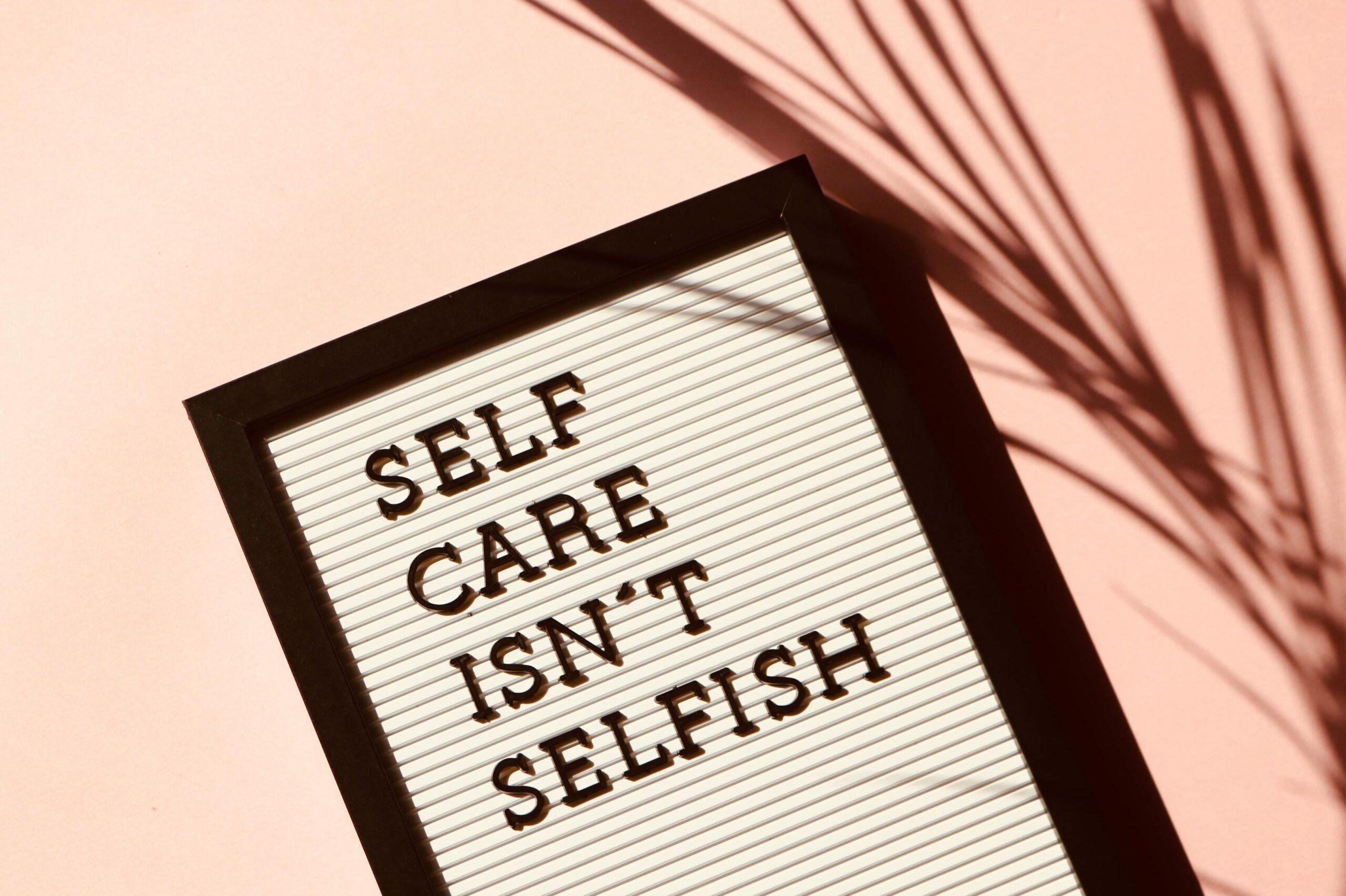
True wellness isn’t achieved through a 30-day challenge or annual health kick—it’s cultivated through lifelong commitment to growth and self-care. Sustainability requires flexibility, self-awareness, and regular recalibration.
Life circumstances change. Career transitions, relationship shifts, health challenges, and aging all demand adaptation of your wellness practices. The principles remain constant, but applications evolve. What worked in your twenties may need modification in your forties. The key lies in maintaining connection with your core wellness values while remaining open to new approaches.
Build in regular assessment periods—quarterly reviews where you honestly evaluate what’s working and what needs adjustment. Are your practices still serving you? Do they bring genuine nourishment or have they become another source of stress? Wellness intelligence includes knowing when to modify or release practices that no longer align with your current needs.
🤝 The Role of Community and Connection
While personal responsibility forms the foundation of wellness, isolation undermines long-term success. Humans are fundamentally social creatures who thrive through connection and shared experience.
Finding or creating a wellness-oriented community provides accountability, inspiration, and support during challenging periods. This might involve joining a fitness class, meditation group, or online community focused on holistic health. Sharing your journey—both struggles and victories—normalizes the wellness process and reduces feelings of inadequacy.
Even more importantly, quality relationships represent a crucial wellness factor in their own right. Strong social connections correlate with longevity, reduced disease risk, and greater happiness more powerfully than many lifestyle interventions. Investing in meaningful relationships isn’t separate from your wellness practice—it’s central to it.
🚀 Your Journey Begins Now
Integrated wellness intelligence offers a comprehensive framework for becoming the healthiest, most vibrant version of yourself. By honoring the interconnections between physical vitality, mental clarity, and spiritual fulfillment, you unlock capabilities you may not have known existed.
This journey doesn’t require perfection or extraordinary discipline. It asks only for commitment to continuous growth, willingness to learn about yourself, and compassion through inevitable challenges. Start where you are with what you have. Choose one small practice today that honors your mind, body, or spirit.
Remember that every moment offers an opportunity to choose wellness. Each breath can be conscious. Every meal can be mindful. All movement can be purposeful. Your thoughts can be observed rather than unconsciously believed. Life itself becomes the practice field for integrated wellness intelligence.
The path to optimal health and happiness isn’t found in some future moment when you’ve finally achieved all your wellness goals. It’s discovered in the present moment, through committed engagement with practices that honor your whole being. Your full potential awaits—not someday, but right now, in this breath, in this choice, in this step forward on your unique wellness journey.