Real-time biometric coaching represents a revolutionary approach to unlocking human potential through data-driven insights that transform how we train, work, and grow.

🚀 The Dawn of Personalized Performance Optimization
We live in an era where technology has become intimately woven into the fabric of our daily lives. From smartwatches tracking our steps to apps monitoring our sleep patterns, the quantified self-movement has evolved from a niche curiosity into a mainstream phenomenon. But what happens when we take this data collection beyond simple tracking and transform it into real-time, actionable coaching that responds to our body’s signals moment by moment?
Real-time biometric coaching represents the cutting edge of this evolution. By continuously monitoring physiological markers like heart rate variability, blood oxygen levels, skin temperature, and even brain wave patterns, these systems provide immediate feedback that helps individuals optimize their performance across multiple domains of life. Whether you’re an athlete pushing for a personal record, a professional seeking peak cognitive performance, or simply someone committed to personal growth, biometric coaching offers unprecedented insights into your body’s capabilities and limitations.
The promise is compelling: imagine receiving instant feedback during a workout telling you exactly when to push harder or ease off, or getting alerts during your workday when your stress levels indicate you need a break. This isn’t science fiction—it’s available technology that’s becoming increasingly accessible and sophisticated.
📊 Understanding the Science Behind Biometric Feedback
To appreciate the power of real-time biometric coaching, we need to understand what our bodies are constantly communicating. Every heartbeat, breath, and neural impulse carries information about our current state and capacity. Traditional coaching methods relied on external observations and subjective feelings, but biometric technology allows us to peer inside the black box of human performance.
Key Biometric Markers That Matter
Heart rate variability (HRV) stands as one of the most valuable metrics in biometric coaching. Unlike simple heart rate, which tells you how fast your heart is beating, HRV measures the variation in time between consecutive heartbeats. Higher variability generally indicates better cardiovascular fitness, greater stress resilience, and improved recovery capacity. Real-time HRV monitoring can tell you whether you’re ready for intense training or need to focus on recovery.
Blood oxygen saturation (SpO2) provides crucial insights into how efficiently your body is delivering oxygen to tissues. During physical activity or high-altitude conditions, monitoring SpO2 helps prevent overexertion and ensures you’re training within safe parameters. For cognitive work, optimal oxygen levels correlate with better mental clarity and decision-making ability.
Skin conductance and temperature reveal your autonomic nervous system’s responses to stress and emotional states. These metrics can detect subtle shifts in your physiological state before you consciously recognize them, enabling preemptive interventions to maintain optimal performance.
Advanced systems now incorporate electroencephalography (EEG) to monitor brain wave patterns, opening doors to neurofeedback training that can enhance focus, creativity, and emotional regulation in real-time.
💪 Athletic Performance Revolution
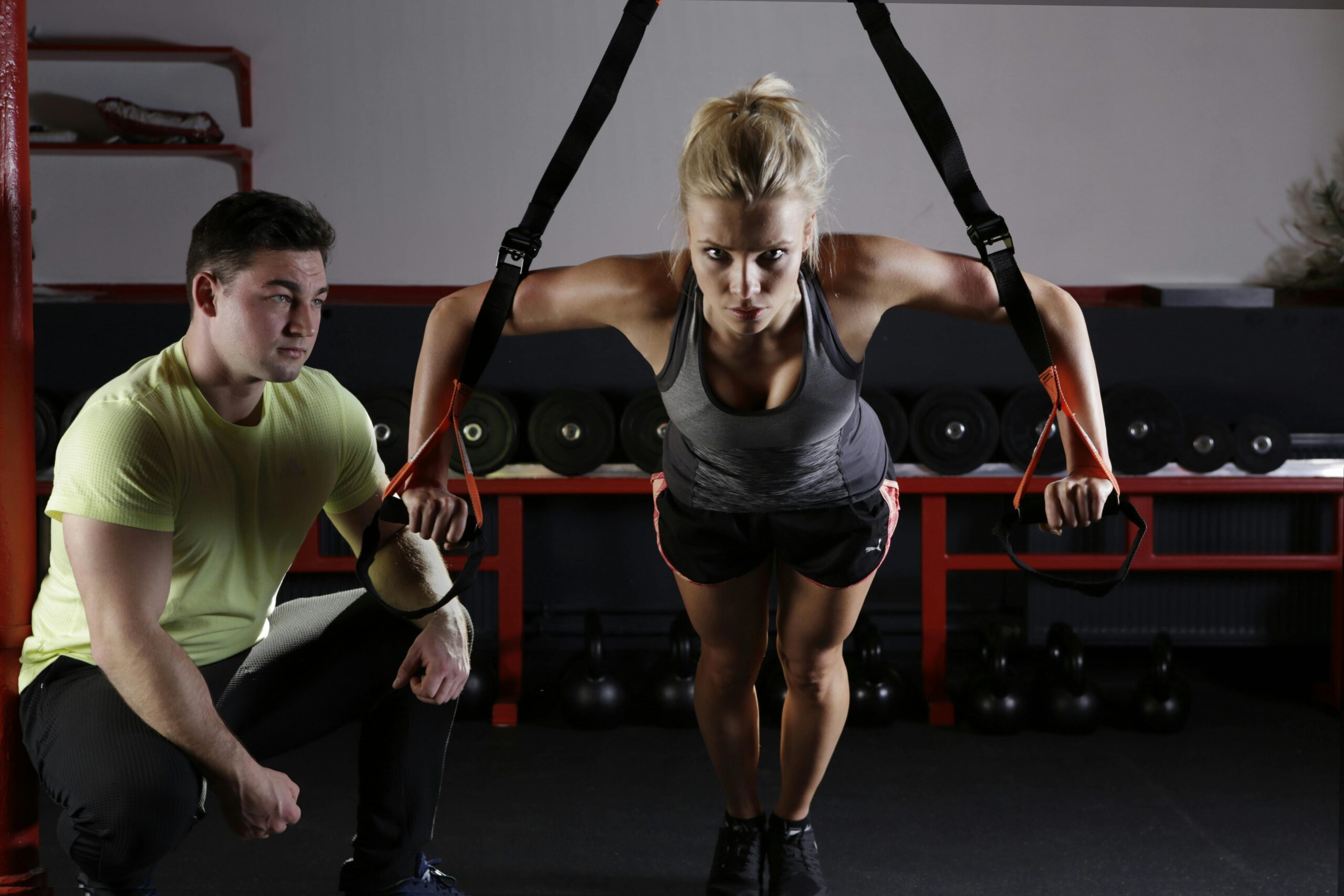
Athletes have historically been the early adopters of performance-enhancing technologies, and real-time biometric coaching has transformed how they train and compete. Professional sports teams now invest millions in biometric monitoring systems that track every physiological detail of their athletes’ performance and recovery.
Consider a marathon runner using real-time biometric coaching. As they run, their wearable device continuously monitors heart rate, pace, cadence, and lactate threshold indicators. When the system detects they’re approaching their anaerobic threshold too early in the race, it provides audio cues to slow down slightly, conserving energy for the final miles. This personalized pacing strategy, impossible to execute through feel alone, can mean the difference between hitting the wall and achieving a personal best.
Training Smarter, Not Just Harder
The old-school mentality of “no pain, no gain” is being replaced by data-driven precision. Real-time biometric feedback helps athletes identify their individual training zones with unprecedented accuracy. Instead of following generic training plans, they receive personalized workout prescriptions that adapt daily based on recovery status, sleep quality, and accumulated training stress.
Overtraining syndrome, a common pitfall that can sideline athletes for months, becomes preventable when biometric systems detect early warning signs like elevated resting heart rate, decreased HRV, or persistent elevated cortisol levels. The coaching system can automatically recommend lighter training loads or additional rest days before minor fatigue becomes chronic exhaustion.
🧠 Cognitive Performance and Mental Optimization
While athletic applications grab headlines, some of the most exciting developments in biometric coaching involve cognitive performance enhancement. Knowledge workers, executives, students, and anyone whose success depends on mental clarity can benefit from systems that optimize brain function in real-time.
Neurofeedback training uses EEG-based biometric coaching to help individuals consciously influence their brain wave patterns. When you’re trying to enter a state of deep focus, the system monitors for beta and gamma wave activity associated with concentration. Visual or audio feedback reinforces when you’re in the optimal state, training your brain to access this zone more easily over time.
Managing Stress Before It Manages You
Chronic stress represents one of the most significant threats to both performance and wellbeing in modern life. Traditional stress management relies on recognizing symptoms after they’ve already impacted your performance. Real-time biometric coaching flips this script by detecting physiological stress markers—elevated heart rate, reduced HRV, increased skin conductance—before you consciously feel overwhelmed.
When the system detects stress escalation, it can prompt immediate interventions: a brief breathing exercise, a short walk, or even suggesting you postpone a difficult conversation until your nervous system has settled. This proactive approach prevents stress accumulation and helps maintain consistently high cognitive performance throughout the day.
Several professionals report that biometric coaching has transformed their workdays. Instead of pushing through afternoon slumps with caffeine and willpower, they now receive data-backed recommendations for when to tackle challenging analytical work, when to handle routine tasks, and when to take restorative breaks.
🌱 Personal Growth Through Self-Awareness
Beyond specific performance domains, real-time biometric coaching accelerates personal growth by creating unprecedented self-awareness. The ancient Greek aphorism “know thyself” takes on new dimensions when you can observe objective data about your physiological and emotional responses to different situations.
Many users discover surprising patterns in their biometric data. Someone might learn that their stress levels spike not during obvious challenges like presentations, but during seemingly routine activities like checking email. Another person might discover that their optimal creative time isn’t when they thought it was, but during a narrow window aligned with their personal circadian rhythms.
Building Emotional Intelligence With Data
Emotional regulation improves dramatically when you can observe the physiological signatures of different emotional states. Real-time biometric feedback creates a tangible link between mental experiences and physical manifestations, making abstract concepts like “emotional arousal” or “mindful awareness” concrete and measurable.
This biofeedback loop accelerates the development of emotional intelligence. When you can see your heart rate variability drop during a difficult conversation, you gain objective confirmation that your emotional state has shifted. This awareness alone often provides the space needed to choose a more constructive response rather than reacting automatically.
Meditation and mindfulness practices benefit enormously from biometric coaching. Practitioners receive immediate confirmation when they’ve achieved desired states like deep relaxation or focused attention, reinforcing effective techniques and helping troubleshoot when practices aren’t working as intended.
⚙️ Technology Making It Possible
The explosion in real-time biometric coaching stems from convergent technological advances across multiple domains. Sensor miniaturization has enabled comfortable wearable devices that can continuously monitor multiple biometric parameters without interfering with daily activities. Modern smartwatches and fitness bands pack sophisticated sensors that would have required laboratory equipment just a decade ago.
Processing power and machine learning algorithms transform raw sensor data into meaningful insights. Advanced systems don’t just report numbers—they recognize patterns, predict trends, and provide contextualized recommendations. The AI powering these platforms learns your individual baselines and responses, becoming more accurate and personalized over time.
From Data to Actionable Intelligence
The most effective biometric coaching systems excel at translating complex physiological data into simple, actionable guidance. Instead of overwhelming users with graphs and metrics, they provide clear recommendations: “Your recovery is optimal—today is ideal for high-intensity training,” or “Your stress indicators are elevated—consider a 5-minute breathing exercise.”
Connectivity enables these systems to integrate data from multiple sources, creating holistic pictures of your wellbeing. Sleep data from your mattress sensor, activity data from your smartwatch, nutrition logging from your diet app, and mood tracking from your journal all feed into comprehensive coaching recommendations that consider your whole life, not just isolated metrics.
🎯 Practical Implementation Strategies
Starting with real-time biometric coaching doesn’t require expensive equipment or professional athlete-level commitment. Begin by identifying which aspect of your performance or personal growth you most want to improve. This focus helps you choose appropriate devices and metrics to track.
For physical fitness goals, a quality fitness tracker with heart rate monitoring and GPS provides sufficient data to begin optimizing your training. Establish your baselines by wearing the device consistently for at least two weeks before making training adjustments based on the data.
Setting Up Your Biometric Coaching System
Choose devices that balance capability with convenience. The most sophisticated sensor is useless if it’s too uncomfortable to wear regularly. Modern options range from chest strap heart rate monitors for maximum accuracy during workouts to sleek smartwatches that provide continuous monitoring throughout the day.
Establish a routine for reviewing your data. Real-time feedback provides immediate coaching during activities, but periodic review of trends and patterns enables strategic planning. Many successful users schedule brief weekly reviews to assess whether their training loads, stress management strategies, or sleep hygiene approaches need adjustment.
Remember that data without action provides no benefit. Commit to acting on your biometric coaching recommendations. If the system suggests you need more recovery, honor that guidance rather than pushing through. The trust you build with your body’s signals forms the foundation of long-term improvement.
🔮 The Future of Human Potential
Current biometric coaching capabilities represent just the beginning. Emerging technologies promise even more sophisticated optimization tools. Non-invasive continuous glucose monitors will enable everyone to understand how different foods affect their energy and cognitive function, not just diabetics managing blood sugar.
Advanced neural interfaces under development may eventually allow direct brain-computer interaction, enabling unprecedented control over cognitive states. Imagine being able to instantly enter flow states for creative work or dial up alertness when needed without relying on stimulants.
Genetic testing integration will personalize biometric coaching recommendations based on your individual DNA, accounting for genetic variations in recovery capacity, nutrient metabolism, and stress resilience. This precision medicine approach to performance optimization tailors strategies to your unique biological makeup.
Ethical Considerations and Data Privacy
As biometric coaching becomes more powerful and pervasive, important questions arise about data ownership, privacy, and potential misuse. Your physiological data represents some of the most intimate information about you. Ensuring this data remains secure and under your control requires vigilance in choosing reputable platforms with strong privacy protections.
Employers’ increasing interest in employee wellness programs raises concerns about how biometric data might be used for surveillance or discrimination. Clear boundaries and regulations are needed to ensure these technologies empower individuals rather than becoming tools of control.
🌟 Transforming Potential Into Reality
Real-time biometric coaching represents more than just another fitness trend or productivity hack. It embodies a fundamental shift in how we understand and optimize human performance. By creating transparent feedback loops between our conscious intentions and our body’s responses, these systems accelerate learning, prevent burnout, and help us consistently operate closer to our true potential.
The democratization of these technologies means that capabilities once available only to elite athletes and wealthy executives are now accessible to anyone committed to personal growth. A factory worker can optimize their physical recovery using the same principles that guide Olympic training. A student can enhance their study efficiency using neurofeedback techniques developed for executives making high-stakes decisions.
Perhaps most importantly, biometric coaching cultivates a healthier relationship with our bodies. Instead of ignoring signals until we’re injured or burned out, we learn to listen and respond to subtle cues. This integration of mind and body, supported by objective data, represents a modern path to the ancient goal of self-mastery.
The journey to unlocking your potential begins with a single step: deciding to pay attention to what your body is telling you. Real-time biometric coaching provides the tools to hear that message clearly and respond effectively. Whether your goals involve athletic achievement, professional success, or personal wellbeing, these systems offer a data-driven roadmap to becoming the best version of yourself.
Start where you are, use what you have, and let your body’s wisdom—amplified by technology—guide you toward peak performance and sustainable growth. The future of human potential isn’t about becoming superhuman; it’s about becoming fully, optimally human. 🎯