Artificial intelligence is revolutionizing how we approach fitness, offering personalized strength training programs that adapt to your unique physiology, goals, and performance metrics in real-time.

🚀 The AI Revolution in Strength Training
The fitness industry has undergone a remarkable transformation in recent years. Gone are the days when one-size-fits-all workout programs dominated gym floors and magazine pages. Today, artificial intelligence has emerged as a game-changing force, bringing unprecedented levels of personalization and optimization to strength training programs.
Traditional strength programs, while valuable, often fail to account for individual variations in recovery capacity, biomechanics, training history, and genetic predispositions. AI-guided systems, however, analyze vast amounts of data to create truly individualized programs that evolve with you, ensuring you’re always working at the optimal intensity for maximum gains.
What makes AI-powered strength training particularly compelling is its ability to process information far beyond human capacity. These systems can track hundreds of variables simultaneously—from your sleep quality and nutrition patterns to your performance metrics and recovery indicators—adjusting your programming in ways that would be impossible for even the most experienced personal trainer to manage manually.
💪 Understanding AI-Guided Strength Programming
At its core, AI-guided strength programming uses machine learning algorithms to analyze your performance data, physiological responses, and progress patterns. These systems learn from every workout, constantly refining their understanding of how your body responds to different training stimuli.
The technology works by establishing baseline measurements during your initial workouts, then using this data to predict optimal loading patterns, volume, intensity, and recovery periods. As you continue training, the AI system compares predicted outcomes with actual results, adjusting its algorithms to become increasingly accurate in its programming recommendations.
Key Components of AI-Driven Training Systems
Modern AI fitness platforms integrate several sophisticated technologies to deliver comprehensive training guidance. Computer vision can analyze your form in real-time, providing immediate feedback on technique and movement quality. Natural language processing enables conversational interfaces where you can describe how you’re feeling, and the system adjusts accordingly.
Predictive analytics forecast your readiness to train based on accumulated fatigue, while adaptive algorithms automatically modify workout parameters. Biometric integration connects with wearable devices to monitor heart rate variability, sleep quality, and stress levels—all critical factors that influence training adaptations.
🎯 Personalization Beyond Human Capability
The true power of AI-guided strength programs lies in their ability to personalize training at a level that transcends traditional methods. These systems don’t just account for obvious factors like your current strength levels or training goals—they dive deeper, considering dozens of interconnected variables that influence your training response.
Your chronotype (whether you’re a morning person or night owl), menstrual cycle phases, work stress patterns, travel schedules, and even local weather conditions can all impact training performance and recovery. AI systems can factor all these elements into programming decisions, automatically shifting workout intensity or volume when conditions aren’t optimal for peak performance.
This level of personalization extends to exercise selection as well. If you have a history of shoulder issues, the AI can prioritize movements that strengthen the joint while avoiding problematic positions. As your mobility improves, the system gradually introduces more challenging variations, ensuring progressive overload without excessive injury risk.
📊 Data-Driven Decision Making for Better Results
One of the most significant advantages of AI-guided training is the elimination of guesswork. Traditional program design relies heavily on general principles and the trainer’s intuition. While experienced coaches develop good instincts over time, even the best human judgment can’t compete with data-driven decision making backed by thousands of data points.
AI systems track performance trends that would be invisible to the naked eye. They can detect subtle patterns indicating overtraining before you consciously feel fatigued. They recognize when you’re ready to push harder, even when you might feel hesitant. This objective analysis removes emotional bias from training decisions, keeping you progressing steadily toward your goals.
Measurable Metrics That Matter
AI-powered platforms excel at identifying which metrics actually correlate with your specific goals. Not everyone needs to track the same variables. A powerlifter requires different monitoring than a bodybuilder or functional fitness enthusiast. The AI learns which indicators best predict success for your particular objectives, focusing your attention on what truly matters.
- Velocity-based training metrics for power development
- Time under tension calculations for hypertrophy optimization
- Volume load tracking for progressive overload management
- Recovery scores derived from multiple biometric sources
- Form quality assessments using movement analysis
- Strength balance ratios to prevent muscular imbalances
🏋️ Optimizing Progressive Overload with Machine Learning
Progressive overload—the gradual increase of training stress—is fundamental to strength development. However, implementing it effectively requires careful balance. Push too hard too fast, and you risk injury or burnout. Progress too conservatively, and you leave gains on the table.
AI algorithms excel at finding the optimal progression rate for each individual. By analyzing how your body responds to incremental increases in weight, volume, or intensity, these systems identify your personal “sweet spot” where adaptation occurs most efficiently without excessive fatigue accumulation.
The machine learning models also recognize when plateau periods occur and automatically implement strategic variations to reignite progress. This might involve changing exercise variations, manipulating tempo, adjusting rest periods, or modifying set and rep schemes—all based on what the data suggests will be most effective for your specific situation.
🔄 Real-Time Adaptation and Autoregulation
Perhaps the most impressive feature of AI-guided programs is their ability to autoregulate training based on your current state. Traditional programs are static—they tell you what to do on specific days regardless of how you’re actually feeling or performing.
AI systems implement dynamic autoregulation, adjusting workouts based on real-time performance indicators. If you’re hitting your prescribed weights with unusually high velocity, the system recognizes you’re having a strong day and might suggest pushing a bit harder. Conversely, if movement quality degrades or velocity drops significantly, it automatically scales back intensity to prevent counterproductive training stress.
This responsive programming ensures you’re always training in the optimal zone—hard enough to stimulate adaptation, but not so hard that you compromise recovery or increase injury risk. It’s like having a highly attentive coach watching every rep, making micro-adjustments to maximize the effectiveness of each training session.
🧠 Learning from Global Training Data
Individual AI systems don’t just learn from your personal data—they benefit from aggregated insights derived from thousands or millions of other users. This collective intelligence allows the algorithms to identify patterns and principles that apply broadly across different populations.
For example, the system might recognize that certain exercise progressions work particularly well for people with your body type, training experience, and goals. It can recommend strategies that have proven effective for similar individuals, accelerating your progress by leveraging crowd-sourced wisdom combined with personalized adaptation.
Privacy protections ensure your personal data remains confidential while still contributing to the collective knowledge base that makes these systems increasingly sophisticated over time. As more people use AI-guided training, the algorithms become smarter and more effective for everyone.
🛠️ Practical Implementation: Getting Started with AI Training
Transitioning to AI-guided strength training doesn’t require abandoning everything you know about fitness. These systems work best when combined with fundamental training knowledge and body awareness. Think of the AI as an enhancement tool rather than a complete replacement for basic training principles.
Begin by selecting a platform that aligns with your specific goals and training environment. Some systems specialize in powerlifting, others in bodybuilding or general fitness. Consider whether you’ll train at home or in a commercial gym, as this affects equipment availability and exercise options.
Setting Up Your AI Training Profile
The onboarding process typically involves providing detailed information about your training history, current fitness level, goals, available equipment, time constraints, and any injuries or limitations. The more accurate and comprehensive this information, the better your initial programming will be.
Most systems will conduct baseline assessment workouts to establish your current strength levels across various movement patterns. These assessments help the AI calibrate its models to your specific abilities, ensuring appropriate starting intensities and realistic progression timelines.
📈 Maximizing Results: Best Practices for AI-Guided Training
To extract maximum value from AI-powered strength programs, consistency in data input is crucial. The algorithms can only be as good as the information they receive. Log every workout completely and honestly, including how exercises felt, sleep quality, stress levels, and any other relevant factors.
Don’t try to game the system by inflating numbers or hiding difficulties. The AI isn’t judging you—it’s trying to optimize your training. Accurate data leads to better programming decisions and ultimately superior results.
Trust the process, especially early on. AI recommendations might sometimes conflict with your instincts or previous training experiences. While you should never ignore genuine pain or concerning symptoms, understand that the system often sees patterns you can’t. Give the programming adequate time to prove itself before making major modifications.
Combining AI Guidance with Human Coaching
AI-guided training doesn’t necessarily mean training alone. Many athletes find tremendous value in combining algorithmic programming with periodic check-ins from experienced human coaches. This hybrid approach leverages the data processing power of AI while maintaining the motivational support, technique refinement, and contextual wisdom that human coaches provide.
Coaches can review the AI’s recommendations, provide additional context the system might miss, and help you understand why certain programming decisions were made. This educational component accelerates your development as an athlete, making you smarter about your own training over time.
🌟 Beyond the Gym: Lifestyle Integration
Elite AI training systems recognize that strength development doesn’t happen only during workouts. Recovery, nutrition, sleep, and stress management all profoundly impact your ability to adapt to training stress. The most sophisticated platforms integrate lifestyle guidance alongside workout programming.
These systems might recommend specific recovery protocols after particularly demanding training sessions, suggest nutritional adjustments to support your current training phase, or even propose earlier bedtimes when recovery metrics indicate accumulated fatigue. This holistic approach accelerates progress by optimizing all factors that contribute to strength development.
Some platforms integrate with meal planning apps, sleep tracking devices, and stress management tools, creating a comprehensive ecosystem that supports every aspect of your performance journey. The AI learns how these lifestyle factors specifically impact your training response, providing increasingly personalized recommendations over time.
⚡ The Future of Intelligent Training Systems
Current AI training technology is impressive, but we’re still in the early stages of what’s possible. Emerging developments promise even more sophisticated guidance in coming years. Genetic testing integration could allow programs to account for individual variations in muscle fiber composition, recovery capacity, and injury susceptibility.
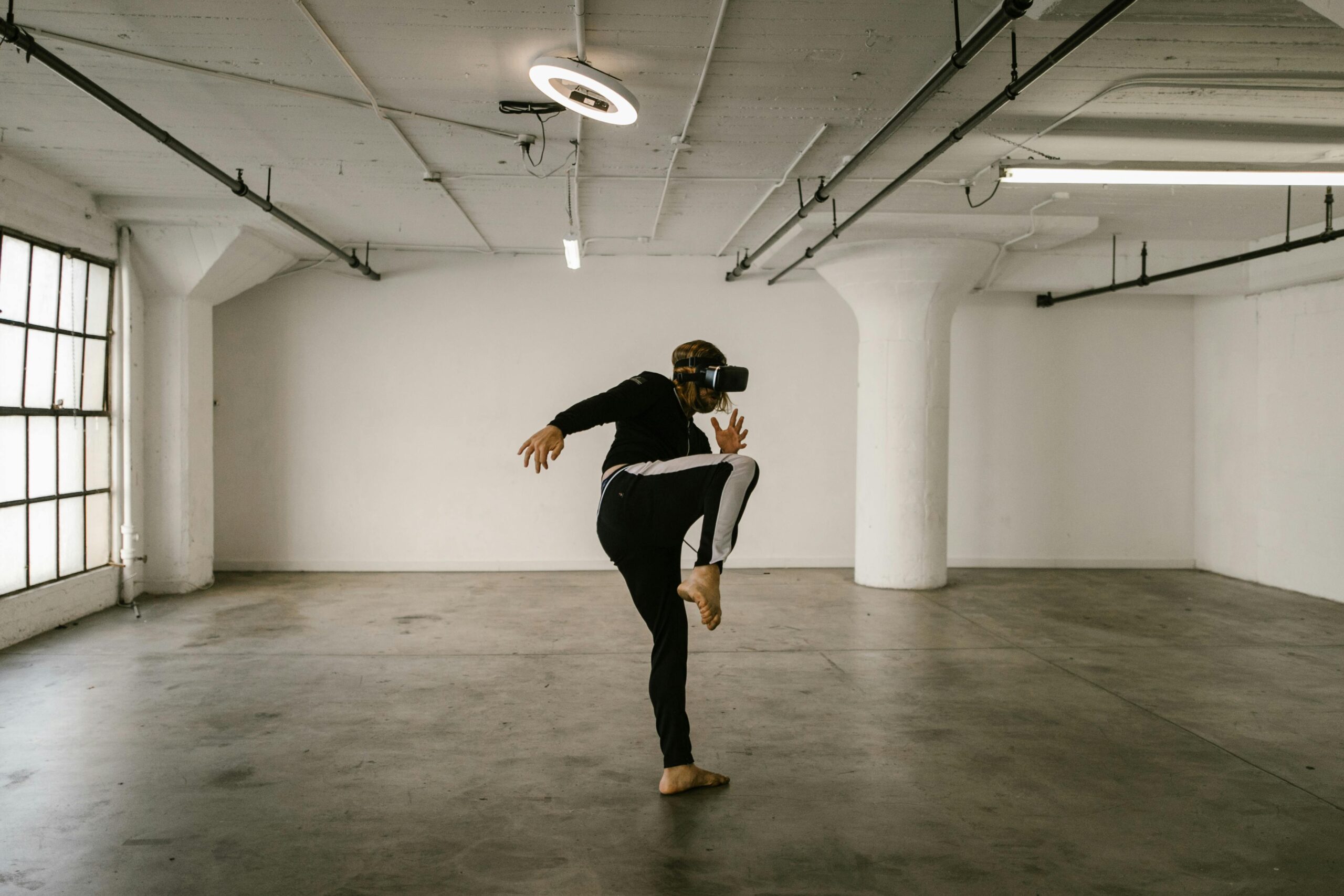
Advanced biometric sensors will provide richer real-time data during workouts, enabling even more precise autoregulation. Virtual reality implementations might create immersive training environments that enhance motivation and technique development. Neural network models will continue improving, making predictions increasingly accurate as they learn from ever-larger datasets.
The integration of artificial intelligence with strength training represents more than just technological advancement—it’s a fundamental shift toward truly personalized fitness that meets each individual exactly where they are and guides them efficiently toward their unique potential.
💎 Unlocking Your Genetic Ceiling
Everyone has genetic limits to their strength development, but very few people ever approach these boundaries. Most individuals plateau far below their true potential due to suboptimal programming, inconsistent training, inadequate recovery, or simply not knowing how to push effectively without overtaxing their system.
AI-guided strength programs dramatically increase the likelihood that you’ll approach your genetic ceiling. By eliminating the guesswork, optimizing every variable, and maintaining consistency over months and years, these systems help you accumulate the specific adaptations needed to express your full strength potential.
The journey toward peak performance is no longer reserved for elite athletes with access to teams of coaches and sports scientists. AI democratizes access to world-class programming, making sophisticated, personalized training available to anyone with a smartphone and the commitment to pursue excellence.
Whether you’re a competitive athlete seeking every possible advantage, a fitness enthusiast wanting to maximize your gym time, or someone just beginning their strength journey, AI-guided programming offers a clear path forward. The technology handles the complexity of program design, allowing you to focus on what matters most: showing up, executing the work, and becoming the strongest version of yourself.
The future of strength training is personalized, data-driven, and continuously adaptive. By embracing AI-guided programming today, you’re not just following a trend—you’re accessing the most effective training methodology ever developed, positioned perfectly to unlock capabilities you might not have imagined possible. Your full potential awaits, and artificial intelligence is ready to guide you there. 🎯