
Modern sleep science meets innovative technology as architecture monitoring gear transforms how we rest, offering unprecedented insights into our nightly routines and environmental conditions.

🏗️ The Foundation: Understanding Architecture Monitoring in Sleep Science
Architecture monitoring gear represents a revolutionary approach to understanding sleep quality by tracking the structural elements of our sleep cycles. Unlike traditional sleep trackers that focus solely on movement or heart rate, these advanced systems analyze multiple environmental and physiological factors simultaneously, creating a comprehensive picture of your sleep architecture.
Sleep architecture refers to the cyclical pattern of sleep stages we experience throughout the night, including light sleep, deep sleep, and REM (Rapid Eye Movement) sleep. Each stage plays a crucial role in physical recovery, memory consolidation, and overall health. By monitoring these architectural elements with precision, we can identify disruptions and optimize our sleep environment accordingly.
The technology behind architecture monitoring gear integrates sensors that measure ambient conditions like temperature, humidity, light exposure, and noise levels, while simultaneously tracking physiological markers such as breathing patterns, heart rate variability, and movement. This multi-dimensional approach provides insights that single-metric devices simply cannot match.
📊 Breaking Down the Technology: How Architecture Monitoring Works
Architecture monitoring systems employ sophisticated sensors and algorithms to capture sleep data with remarkable accuracy. These devices typically combine accelerometers, gyroscopes, microphones, temperature sensors, and sometimes even radar technology to create a complete sleep profile without requiring wearable devices.
The core components include:
- Environmental sensors: Track room temperature, humidity levels, air quality, light intensity, and sound disturbances
- Biometric monitors: Detect breathing patterns, movement, and heart rate through contactless technology
- AI-powered analysis: Machine learning algorithms process data to identify sleep stages and quality patterns
- Integration platforms: Connect with smart home devices to automatically adjust conditions for optimal sleep
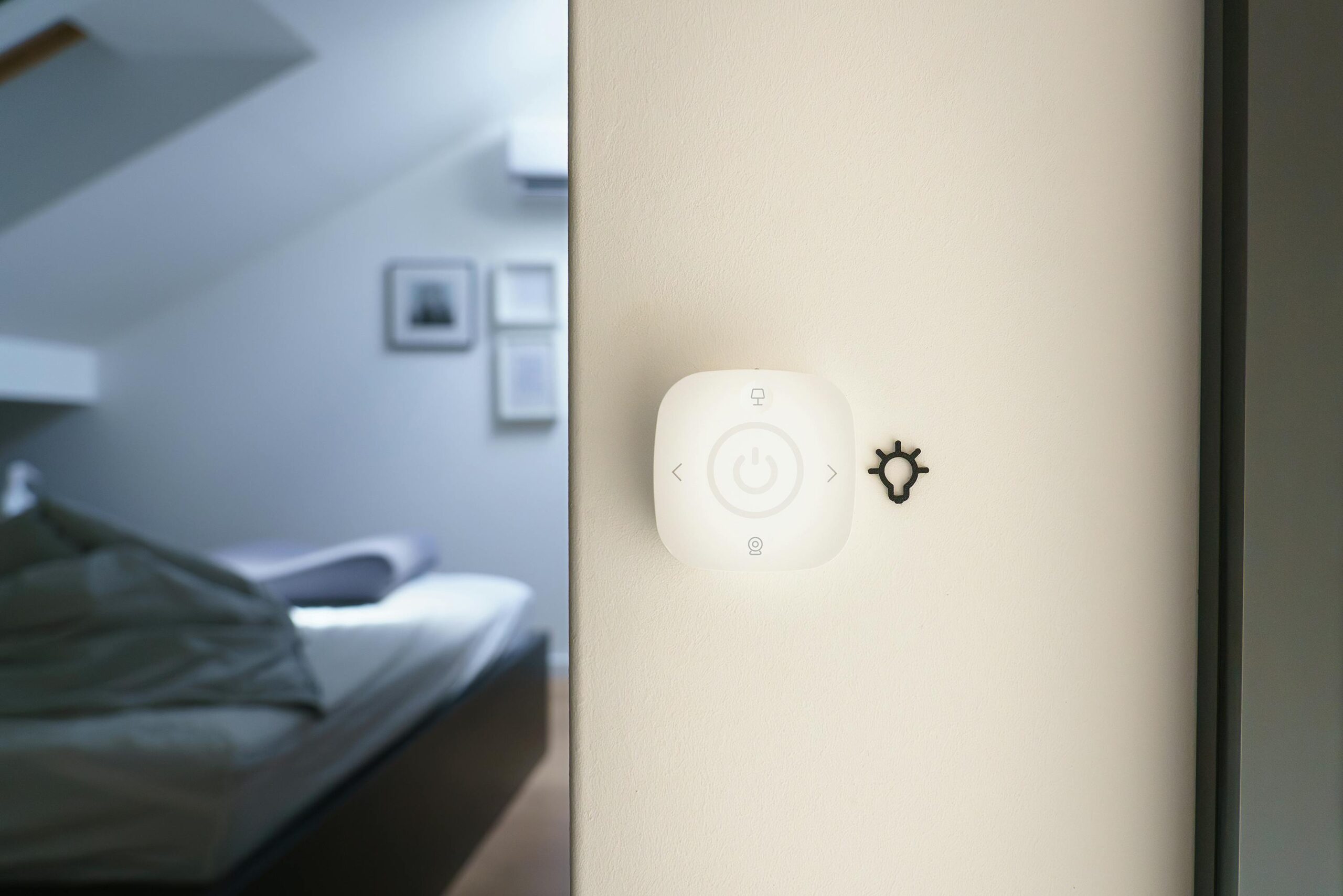
What makes this technology particularly impressive is its non-invasive nature. Unlike wearable trackers that require charging and can feel uncomfortable during sleep, architecture monitoring gear typically sits on your nightstand or mounts on the wall, working silently in the background while you rest peacefully.
🌙 The Science Behind Sleep Architecture Optimization
Understanding your personal sleep architecture allows for targeted interventions that can dramatically improve rest quality. Research published in leading sleep medicine journals confirms that environmental factors account for up to 40% of sleep quality variations among individuals with similar health profiles.
Temperature regulation stands as one of the most critical factors. Our core body temperature naturally drops during sleep, and maintaining a bedroom temperature between 60-67°F (15-19°C) supports this physiological process. Architecture monitoring gear tracks temperature fluctuations throughout the night and can trigger smart thermostats to maintain optimal conditions.
Light exposure significantly impacts circadian rhythm regulation. Even small amounts of light during sleep can suppress melatonin production and fragment sleep cycles. Advanced monitoring systems detect light intrusions and can automatically adjust smart blinds or alert you to sources of light pollution in your bedroom.
Sound environment plays an equally important role. While complete silence isn’t necessary for quality sleep, sudden noise changes can cause micro-awakenings that prevent deep sleep consolidation. Architecture monitoring gear identifies these disturbances and helps you implement solutions, whether through white noise machines or identifying external noise sources requiring attention.
💡 Real-World Applications: Transforming Sleep One Night at a Time
The practical applications of architecture monitoring gear extend far beyond simple data collection. These systems actively work to improve your sleep through intelligent automation and personalized recommendations based on your unique sleep patterns.
Consider a typical scenario: Your monitoring system detects that you consistently experience sleep disruptions around 3 AM when the bedroom temperature rises slightly. The system automatically adjusts your smart thermostat to maintain cooler temperatures during those hours. Within weeks, your deep sleep duration increases measurably, and you wake feeling more refreshed.
Another common application involves circadian rhythm optimization. By tracking your natural sleep-wake patterns and light exposure, the system can recommend ideal bedtimes, suggest morning light therapy timing, and even adjust smart lighting throughout your home to support healthy melatonin production cycles.
Parents find architecture monitoring particularly valuable for children’s sleep health. The systems can alert caregivers to unusual breathing patterns, temperature changes that might indicate illness, or environmental factors disrupting a child’s rest, all without intrusive wearables that children often resist.
🔍 Choosing the Right Architecture Monitoring System
Selecting appropriate monitoring gear requires understanding your specific needs and the features different systems offer. The market now includes options ranging from comprehensive professional-grade systems to accessible consumer devices that deliver impressive functionality.
Key considerations when evaluating options include:
- Sensor accuracy: Look for devices validated against polysomnography, the gold standard in sleep measurement
- Data privacy: Ensure the system encrypts data and provides clear privacy policies regarding information storage and sharing
- Integration capabilities: Verify compatibility with your existing smart home ecosystem
- User interface: Assess whether the accompanying app or dashboard presents information clearly and offers actionable insights
- Price point: Balance budget constraints against desired features and long-term value
Professional-grade systems typically offer the most comprehensive monitoring but come with higher price tags, often ranging from $300-$500. These devices usually include advanced features like respiratory rate tracking, sleep apnea screening, and detailed environmental analysis.
Mid-range options priced between $150-$300 provide excellent functionality for most users, combining core environmental monitoring with basic physiological tracking and smart home integration. These represent the sweet spot for consumers serious about sleep optimization without requiring clinical-level precision.
📱 Mobile Apps and Digital Integration
The effectiveness of architecture monitoring gear amplifies significantly through accompanying mobile applications that translate raw data into actionable insights. These apps serve as your personal sleep coach, offering customized recommendations based on your unique patterns and goals.
Leading sleep monitoring apps provide features including sleep score calculations, trend analysis over weeks and months, personalized coaching tips, and integration with health platforms like Apple Health or Google Fit. Some applications even offer meditation guides, sleep stories, and breathing exercises timed to your specific sleep schedule.
The visual presentation of data matters tremendously for user engagement. The best apps employ intuitive graphs showing sleep stage progression, environmental condition changes throughout the night, and clear correlations between factors and sleep quality. This visual feedback helps users understand cause-and-effect relationships and stay motivated to implement recommendations.
🌡️ Environmental Optimization: Creating Your Perfect Sleep Sanctuary
Architecture monitoring gear reveals that small environmental adjustments can yield dramatic improvements in sleep quality. Armed with precise data about your sleep environment, you can systematically optimize each factor for better rest.
Temperature control extends beyond simply setting your thermostat to a specific number. Monitoring data often reveals that ideal temperatures vary throughout the night, with slightly cooler conditions supporting deep sleep in the first half of the night and slightly warmer temperatures preventing early morning awakening during the second half.
Humidity levels between 30-50% typically support optimal respiratory function during sleep. Too dry, and you may experience nasal irritation and increased snoring; too humid, and you might feel uncomfortable and experience more night sweats. Architecture monitoring helps you maintain the sweet spot year-round.
Air quality deserves attention as an often-overlooked factor. Monitoring systems that track particulates, carbon dioxide levels, and volatile organic compounds can alert you to air quality issues requiring intervention through improved ventilation, air purifiers, or identifying pollution sources like off-gassing furniture or cleaning products.
💤 Advanced Features: The Cutting Edge of Sleep Technology
The latest generation of architecture monitoring gear incorporates features that seemed like science fiction just years ago. These innovations push the boundaries of what’s possible in sleep optimization and health monitoring.
Contactless respiratory monitoring uses ultra-wideband radar technology to track breathing patterns with accuracy comparable to clinical respiratory bands. This technology can identify potential sleep apnea events, irregular breathing patterns, and even subtle respiratory changes that might indicate developing illness.
Predictive analytics represent another frontier in sleep technology. By analyzing weeks or months of data, advanced systems can predict which nights you’re likely to sleep poorly based on daytime factors like exercise patterns, stress levels, or caffeine consumption, allowing preventive interventions.
Some systems now incorporate biometric authentication and multi-user recognition, automatically identifying which person is in bed and adjusting environmental conditions to their personal preferences. This feature proves invaluable for couples with different optimal sleep conditions.
🎯 Maximizing Results: Best Practices for Implementation
Investing in architecture monitoring gear represents just the first step toward revolutionizing your sleep quality. Maximizing results requires thoughtful implementation and consistent engagement with the insights provided.
Begin with a baseline period of at least two weeks where you simply monitor without making changes. This establishes your current sleep architecture patterns and helps identify primary issues requiring attention. Resist the temptation to change everything at once; baseline data provides the foundation for measuring improvement.
Implement changes systematically, addressing one factor at a time when possible. This approach allows you to identify which interventions deliver the most significant benefits for your specific situation. For example, you might spend two weeks optimizing temperature before addressing light exposure.
Consistency matters tremendously for both data accuracy and habit formation. Position your monitoring device in the same location each night, maintain regular sleep schedules when possible, and check your sleep data regularly to stay engaged with the process.
Combine objective monitoring data with subjective assessments of how you feel. Sometimes metrics might show improvement before you consciously notice feeling more rested, while other times you might feel better despite modest metric changes. Both perspectives provide valuable information.
🏆 Long-Term Benefits: Beyond Better Sleep
The advantages of architecture monitoring extend well beyond immediate sleep quality improvements. Long-term use of these systems can positively impact numerous aspects of health, productivity, and quality of life.
Cardiovascular health benefits from consistently better sleep as your body achieves more time in restorative deep sleep stages. Research indicates that people who regularly obtain quality sleep show lower risks of hypertension, heart disease, and stroke compared to chronically poor sleepers.
Cognitive performance improves measurably with optimized sleep architecture. Memory consolidation occurs primarily during specific sleep stages, and architecture monitoring helps ensure you’re spending adequate time in these critical phases. Users frequently report improved focus, faster learning, and enhanced problem-solving abilities.
Immune function strengthens with quality sleep, as the body performs crucial immune system maintenance during rest. People who optimize their sleep architecture through monitoring often report fewer illnesses, faster recovery from exercise, and better overall resilience.
Mental health benefits emerge as sleep quality improves. The relationship between sleep and mood is bidirectional and powerful. Architecture monitoring helps break negative cycles where poor sleep worsens mood, which further degrades sleep quality.
🚀 The Future of Sleep Monitoring Technology
The trajectory of architecture monitoring gear points toward increasingly sophisticated, personalized, and integrated solutions. Emerging technologies promise to make sleep optimization more accessible and effective than ever before.
Artificial intelligence advancement will enable predictive recommendations that anticipate your needs based on calendar events, weather forecasts, and historical patterns. Imagine a system that automatically adjusts your sleep environment knowing you have an important presentation the next day and optimizes conditions for peak cognitive performance.
Integration with wearable health devices will create comprehensive health monitoring ecosystems. Architecture monitoring gear will communicate with fitness trackers, continuous glucose monitors, and other devices to provide holistic health insights and recommendations spanning sleep, nutrition, exercise, and stress management.
Miniaturization and cost reduction will democratize access to advanced sleep monitoring. As technology matures and scales, features currently available only in premium devices will become standard across all price points, making quality sleep optimization accessible to everyone.
✨ Taking the First Step Toward Revolutionary Sleep
Revolutionizing your sleep quality through architecture monitoring gear represents an investment in your most fundamental health resource. Quality sleep underpins every aspect of human performance and wellbeing, yet millions struggle nightly with suboptimal rest without understanding why.
The technology exists today to transform your sleep from a passive activity you hope goes well into an optimized process you actively manage for consistent, restorative rest. Architecture monitoring gear provides the insights needed to move beyond guesswork and implement evidence-based improvements tailored to your unique physiology and circumstances.
Starting your sleep optimization journey requires no special expertise or extreme lifestyle changes. The monitoring systems work silently while you sleep, gradually revealing patterns and opportunities for improvement. Small adjustments compound over time into dramatic quality-of-life enhancements.
Your body performs remarkable healing, restoration, and optimization during sleep. Architecture monitoring gear simply ensures you’re creating the ideal conditions for these natural processes to unfold optimally night after night. The resulting benefits ripple through every aspect of life, from physical health to emotional resilience to cognitive performance.
Sleep represents one-third of your life and influences the quality of the other two-thirds profoundly. Isn’t it time to bring the same level of attention and optimization to your rest that you bring to your waking activities? Architecture monitoring gear makes this possible, transforming sleep from a mystery into a mastered skill that serves your health and goals for decades to come.