The convergence of biometric and behavioral authentication is revolutionizing how we protect digital identities and personalize user experiences in an increasingly connected world. 🔐

In an era where traditional passwords have become the weakest link in cybersecurity, organizations worldwide are embracing innovative solutions that leverage our unique biological traits and behavioral patterns. This fusion represents more than just enhanced security—it’s a paradigm shift toward seamless, intelligent authentication that adapts to individual users while maintaining robust protection against evolving threats.
Understanding the Dual Pillars of Modern Authentication
Biometric authentication relies on measurable physical characteristics that make each person unique. Fingerprints, facial features, iris patterns, and voice recognition have become commonplace in consumer devices, from smartphones to banking applications. These physiological markers offer significant advantages over traditional password-based systems because they cannot be easily forgotten, shared, or stolen in the conventional sense.
Behavioral biometrics, on the other hand, analyze the distinctive patterns in how individuals interact with their devices and digital environments. This includes typing rhythm, mouse movement patterns, touchscreen pressure, navigation habits, and even walking gait when combined with accelerometer data. These subtle behavioral signatures create a unique digital fingerprint that continuously authenticates users throughout their sessions.
The true power emerges when these two approaches combine, creating a multi-layered security framework that is both more secure and more user-friendly than either method alone. This fusion addresses the limitations inherent in relying on a single authentication factor while simultaneously enhancing the overall user experience.
The Security Advantages of Fusion Technology 🛡️
Traditional biometric systems, while significantly more secure than passwords, still face challenges. Sophisticated attackers can potentially replicate fingerprints from photographs, create deepfake videos to defeat facial recognition, or use recorded voice samples to bypass voice authentication. However, replicating someone’s behavioral patterns proves exponentially more difficult.
When biometric and behavioral systems work in tandem, they create multiple layers of verification that must align simultaneously. An attacker might obtain someone’s fingerprint, but they would also need to replicate that person’s specific typing cadence, mouse movement patterns, and interaction behaviors—a nearly impossible feat in real-world scenarios.
Continuous Authentication: The Game Changer
Perhaps the most significant security advantage of behavioral biometrics is continuous authentication. Unlike traditional methods that verify identity only at login, behavioral analysis monitors user activity throughout the entire session. If someone’s account credentials are compromised and an unauthorized person gains access, the system can detect anomalous behavior patterns and trigger additional verification steps or automatically lock the session.
This continuous monitoring creates a dynamic security perimeter that adapts in real-time, identifying potential threats before significant damage occurs. Financial institutions have particularly embraced this approach, detecting fraudulent transactions not just through account credentials but through behavioral deviations that indicate account takeover.
Personalization Through Behavioral Intelligence
Beyond security, the fusion of biometric and behavioral data unlocks unprecedented personalization opportunities. By understanding not just who users are but how they interact with digital services, organizations can tailor experiences to individual preferences and needs with remarkable precision.
E-commerce platforms leverage this technology to customize product recommendations based on browsing patterns, scrolling behavior, and decision-making speed. Healthcare applications adjust interface complexity based on user interaction patterns, ensuring elderly patients receive simplified interfaces while tech-savvy users access advanced features seamlessly.
Adaptive User Interfaces
Modern applications increasingly employ behavioral analytics to dynamically adjust their interfaces. If a user consistently struggles with certain features—indicated by repeated clicks, prolonged hover times, or frequent navigation reversals—the system can proactively offer guidance, simplify options, or reorganize menu structures.
This adaptive approach transforms user experience from a one-size-fits-all model to personalized journeys that evolve with individual users over time. The result is higher engagement, reduced frustration, and improved task completion rates across diverse user populations.
Real-World Applications Transforming Industries
The practical applications of biometric-behavioral fusion span virtually every sector, each leveraging the technology to address specific challenges and opportunities.
Financial Services Leading the Way 💳
Banks and financial institutions have become pioneers in deploying fusion authentication systems. Beyond securing account access, these organizations use behavioral analytics to detect fraudulent transactions in real-time. Unusual transfer patterns, atypical login locations, or deviations from normal spending behavior trigger immediate alerts and verification requirements.
Some institutions have reduced fraud losses by over 70% through intelligent fusion systems that balance security with customer convenience. Legitimate customers rarely face friction, while suspicious activities are immediately flagged for review.
Healthcare: Protecting Sensitive Information
Healthcare organizations handle extraordinarily sensitive personal data requiring both robust security and efficient access for authorized personnel. Fusion authentication systems ensure that doctors and nurses can quickly access patient records during critical situations while maintaining comprehensive security against data breaches.
Additionally, behavioral patterns help identify potential insider threats—employees whose access patterns deviate from normal clinical workflows may trigger security reviews, preventing unauthorized data access before it occurs.
Smart Homes and IoT Ecosystems 🏠
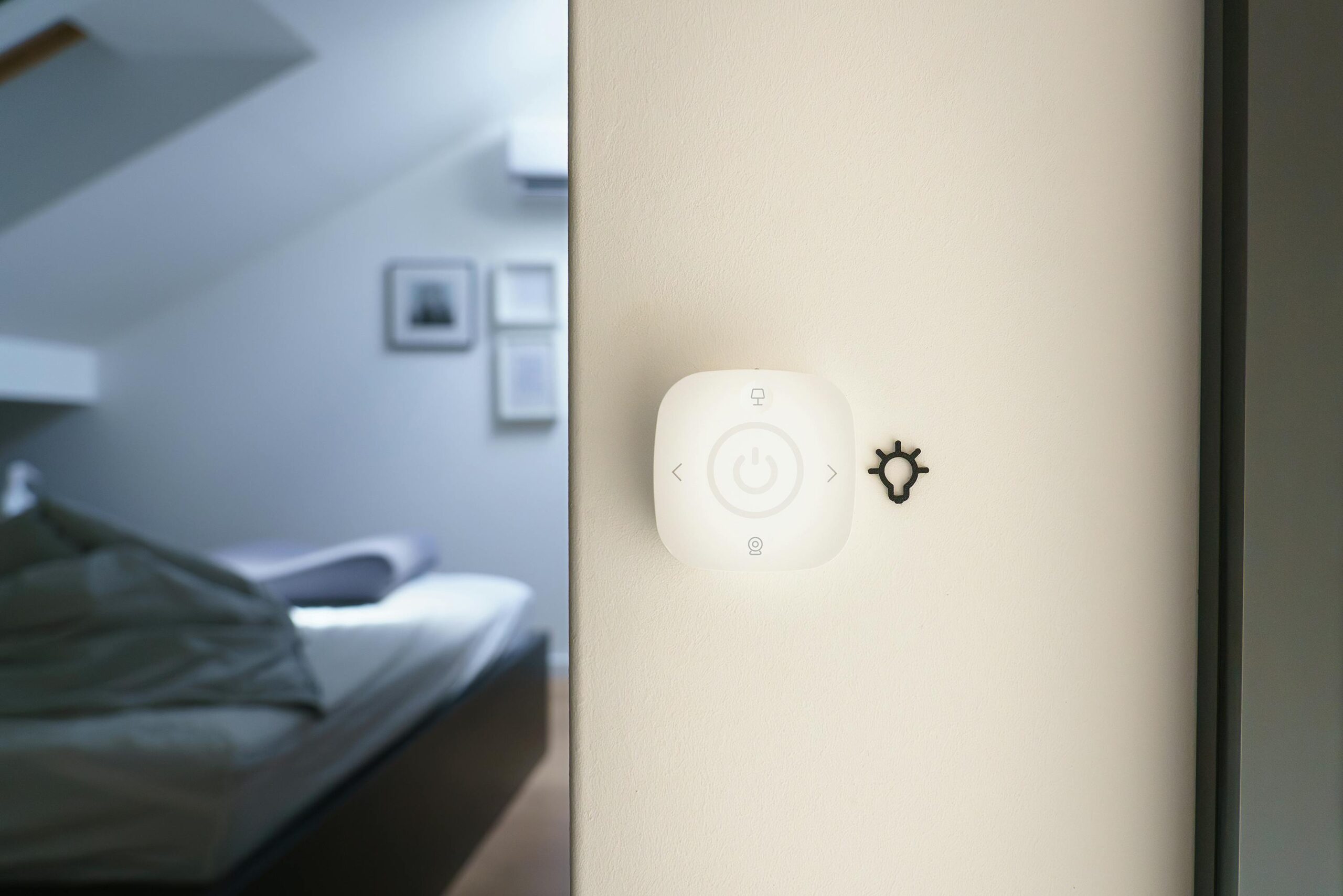
The proliferation of Internet of Things devices has created new security challenges and opportunities. Smart home systems increasingly employ fusion authentication to recognize family members through multiple biometric and behavioral markers, automatically adjusting lighting, temperature, entertainment preferences, and security settings.
These systems learn individual routines—when people typically arrive home, their preferred environmental settings for different times of day, and even mood indicators based on interaction patterns—creating truly personalized living environments.
Privacy Considerations and Ethical Implementation
The power of biometric-behavioral fusion inevitably raises important privacy questions. Organizations implementing these technologies must navigate complex ethical considerations while complying with evolving regulatory frameworks like GDPR, CCPA, and emerging biometric privacy laws.
Transparent data collection practices form the foundation of ethical implementation. Users deserve clear explanations of what data is collected, how it’s used, how long it’s retained, and who has access. Leading organizations provide granular privacy controls, allowing users to adjust the balance between security, personalization, and privacy according to their comfort levels.
Data Protection and Storage Security
Biometric and behavioral data represents extraordinarily sensitive information. Unlike passwords that can be reset if compromised, biometric traits cannot be changed. This reality demands exceptional security measures for data storage and processing.
Modern implementations employ several protective strategies:
- Encryption of biometric templates both in transit and at rest
- Local processing where biometric data never leaves the user’s device
- Tokenization systems that use mathematical representations rather than actual biometric data
- Distributed storage architectures that prevent single points of failure
- Regular security audits and penetration testing to identify vulnerabilities
The Technology Stack Powering the Fusion
Behind the seamless user experience lies sophisticated technology infrastructure combining hardware sensors, machine learning algorithms, and cloud computing capabilities.
Advanced Sensors and Capture Technologies
Modern devices incorporate increasingly sophisticated sensors capable of capturing biometric data with remarkable precision. Ultrasonic fingerprint sensors penetrate beneath skin surface layers, creating detailed 3D maps resistant to spoofing. Time-of-flight cameras enable accurate facial recognition even in challenging lighting conditions. Multi-spectral imaging detects living tissue, preventing attacks using photographs or masks.
Machine Learning: The Intelligence Engine 🤖
Machine learning algorithms form the analytical core of fusion authentication systems. Neural networks trained on millions of user interactions learn to distinguish legitimate behavioral patterns from anomalies with exceptional accuracy.
These systems continuously improve through feedback loops—every authentication attempt provides additional training data, refining the models over time. Advanced implementations employ federated learning, where models improve collectively across user populations without centralizing sensitive data.
Implementation Challenges and Solutions
Despite impressive capabilities, organizations implementing biometric-behavioral fusion face several practical challenges that require thoughtful solutions.
Balancing Security with User Experience
The fundamental challenge lies in creating systems secure enough to prevent unauthorized access while remaining frictionless for legitimate users. Overly sensitive systems generate false positives, frustrating users with unnecessary verification steps. Conversely, systems with high tolerance thresholds might allow sophisticated attacks to succeed.
Successful implementations employ risk-based authentication, adjusting security requirements based on context. Low-risk activities proceed with minimal friction, while high-value transactions or unusual access patterns trigger additional verification layers.
Accommodating Diverse User Populations
Biometric systems must function effectively across diverse populations with varying physical characteristics and abilities. Early facial recognition systems suffered from significant bias, performing poorly for certain demographic groups. Modern systems address these challenges through diverse training datasets and algorithmic fairness testing.
Similarly, behavioral systems must accommodate users with disabilities who may interact with devices differently than typical users. Adaptive systems that learn individual patterns rather than relying on population norms ensure inclusive authentication experiences.
Emerging Trends Shaping the Future 🚀
The evolution of biometric-behavioral fusion continues accelerating, with several emerging trends pointing toward future capabilities.
Emotion Recognition and Contextual Awareness
Next-generation systems are incorporating emotion recognition capabilities, analyzing facial micro-expressions, voice tones, and interaction patterns to understand users’ emotional states. This awareness enables contextually appropriate responses—simplified interfaces when users appear stressed, proactive assistance when confusion is detected, or security elevation when behavioral patterns suggest coercion.
Multi-Device Behavioral Profiles
As individuals interact with expanding device ecosystems, behavioral profiles are becoming device-agnostic. Your typing rhythm on a laptop, swipe patterns on a tablet, and interaction style with smart speakers combine into comprehensive behavioral signatures that authenticate you across platforms seamlessly.
Blockchain for Decentralized Identity
Blockchain technology offers promising solutions for self-sovereign identity systems where individuals control their biometric and behavioral data. Rather than trusting centralized organizations with sensitive information, users maintain encrypted credentials in distributed ledgers, sharing verification tokens without exposing underlying biometric data.
Preparing Organizations for Fusion Implementation
Organizations considering biometric-behavioral fusion adoption should approach implementation strategically, considering technical, regulatory, and user acceptance factors.
Begin with comprehensive risk assessments identifying which assets require enhanced protection and where user friction causes the greatest pain points. This analysis guides prioritization, ensuring initial implementations deliver maximum value.
Invest in user education explaining the benefits and protections of fusion systems. Transparent communication about data handling practices builds trust essential for user acceptance. Provide clear opt-in mechanisms and granular privacy controls that respect individual preferences.
Partner with experienced vendors who demonstrate commitment to privacy, security, and inclusive design. Evaluate solutions based on technical capabilities, regulatory compliance support, and track records with diverse user populations.

The Convergence Point: Security Meets Humanity ✨
The fusion of biometric and behavioral authentication represents more than technological advancement—it embodies a fundamental shift toward human-centered security that recognizes individuals as unique combinations of physical characteristics and behavioral patterns.
This approach acknowledges that effective security must work with human nature rather than against it. By eliminating password memorization burdens while simultaneously strengthening protection, fusion systems align security objectives with user preferences in unprecedented ways.
The personalization enabled by behavioral understanding transforms digital interactions from transactional exchanges into adaptive experiences that respect individual preferences and needs. This human-centered approach drives engagement, satisfaction, and loyalty across applications and services.
As we continue advancing toward increasingly connected futures, the fusion of biometric and behavioral technologies will become foundational infrastructure—invisible yet essential, protective yet empowering. Organizations embracing this convergence position themselves not merely as technology adopters but as innovators shaping how humans and digital systems interact in the decades ahead.
The future of digital security and personalization lies not in choosing between convenience and protection, but in recognizing that through intelligent fusion, we can achieve both simultaneously. This paradigm represents the unlock mechanism for digital experiences that are simultaneously more secure, more personalized, and more fundamentally human than ever before possible.