Managing your health has never been more important—or more possible—than it is today with personal digital health records revolutionizing how we track and improve our wellbeing.

The healthcare landscape is undergoing a massive transformation. Gone are the days when your medical history existed only in scattered paper files across multiple doctor’s offices, hospitals, and clinics. Today, personal digital health records (PDHRs) are empowering individuals to take unprecedented control of their wellness journey, creating a comprehensive, accessible, and portable repository of their entire health story.
This shift from passive patient to active health manager represents more than just technological advancement—it’s a fundamental reimagining of how we approach our wellbeing. With personal digital health records at your fingertips, you’re no longer dependent on fragmented systems or relying solely on healthcare providers to piece together your medical puzzle.
📱 What Exactly Are Personal Digital Health Records?
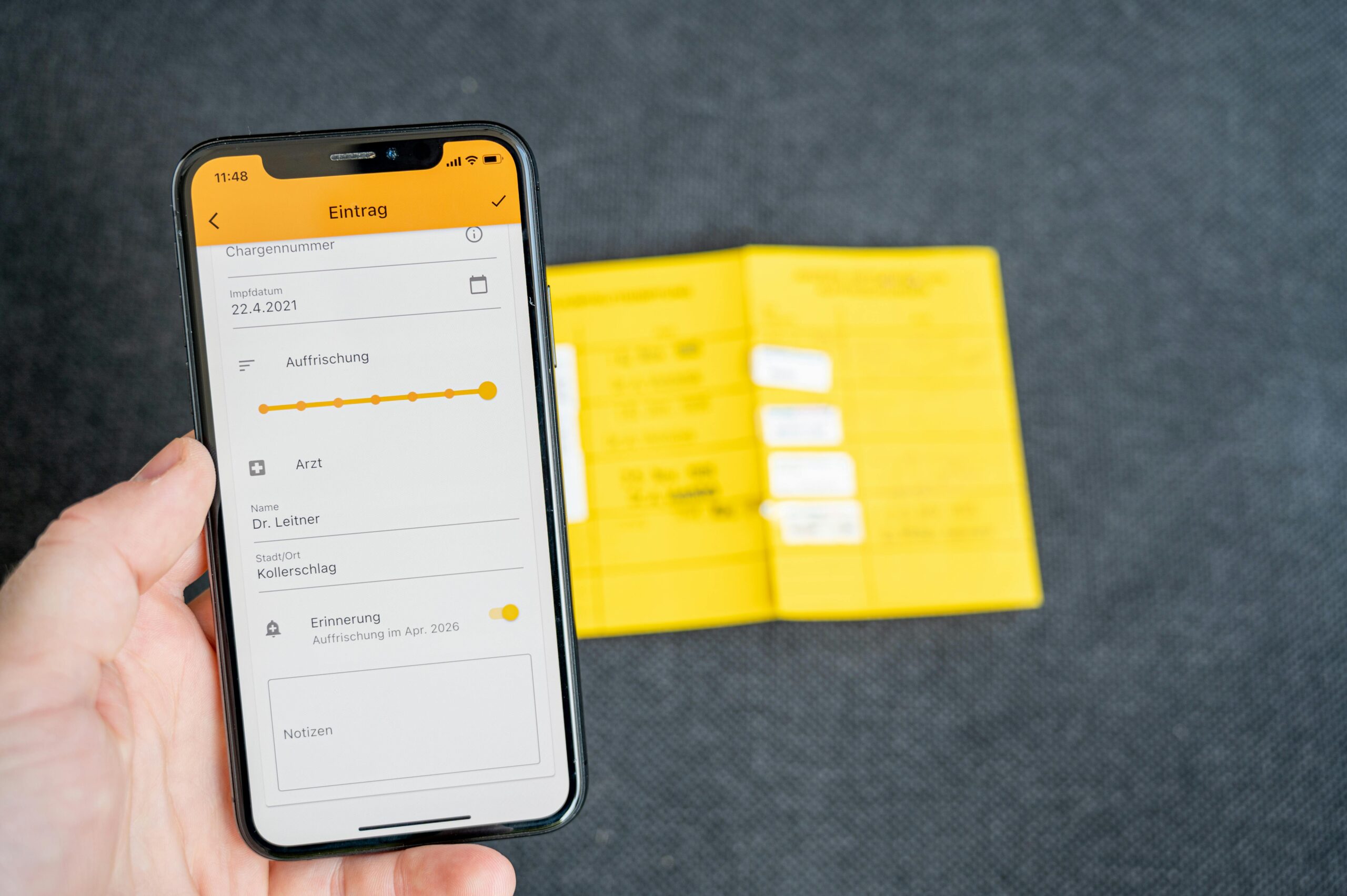
Personal digital health records are comprehensive electronic collections of your health information that you control and manage. Unlike electronic health records (EHRs) that healthcare providers maintain, PDHRs put you in the driver’s seat, allowing you to compile, organize, and share your health data as you see fit.
These digital platforms consolidate everything from immunization records and prescription histories to lab results, imaging reports, allergy information, and even fitness tracking data. Think of it as your personal health dashboard—a centralized hub where every piece of your wellness puzzle comes together in one accessible location.
The beauty of personal digital health records lies in their comprehensiveness and portability. Whether you’re visiting a new specialist, traveling abroad, or dealing with an emergency situation, your complete health history is immediately available, ensuring continuity of care regardless of where you are or which healthcare provider you’re seeing.
🚀 The Game-Changing Benefits of Going Digital
Empowered Decision-Making Through Information Access
When you have instant access to your complete health history, you become an informed participant in your healthcare decisions rather than a passive recipient of medical advice. Personal digital health records enable you to review past diagnoses, understand treatment patterns, and identify health trends that might otherwise go unnoticed.
This transparency fosters more productive conversations with healthcare providers. You can arrive at appointments prepared with relevant questions, armed with data about your symptoms, medications, and previous treatments. This collaborative approach often leads to better outcomes and more personalized care strategies.
Eliminating Dangerous Medical Errors
Medical errors remain a leading cause of preventable harm in healthcare systems worldwide. Many of these errors stem from incomplete or inaccurate health information—a problem that personal digital health records directly address.
By maintaining an accurate, up-to-date record of your medications, allergies, chronic conditions, and previous procedures, you create a safety net that protects you from potentially dangerous drug interactions, duplicate treatments, or procedures that might be contraindicated based on your medical history.
Seamless Care Coordination Across Providers
Modern healthcare often involves multiple specialists, each focusing on different aspects of your health. Without proper coordination, this fragmented approach can lead to redundant tests, conflicting treatments, and gaps in care.
Personal digital health records bridge these gaps, ensuring every provider has access to the same comprehensive information. Your cardiologist can see what your endocrinologist prescribed; your physical therapist can review your recent imaging results; your primary care physician can track all the specialists you’re seeing and the treatments they’ve recommended.
💪 Transforming Your Wellness Journey from Reactive to Proactive
Perhaps the most profound impact of personal digital health records is how they shift your health management from reactive to proactive. Rather than only engaging with your health when problems arise, you can monitor trends, identify risk factors early, and take preventive action before conditions become serious.
Pattern Recognition and Early Warning Systems
When your health data is tracked consistently over time, patterns emerge. You might notice that your blood pressure readings gradually increase during stressful work periods, or that certain foods consistently trigger digestive symptoms. These insights, visible only through longitudinal data tracking, enable you to make lifestyle adjustments before minor issues escalate into major health problems.
Many personal digital health record platforms incorporate analytics and visualization tools that make these patterns easy to spot. Graphs showing your weight trends, charts tracking your blood glucose levels, or timelines displaying your medication adherence all provide actionable intelligence about your health trajectory.
Integration with Wearables and Health Apps
The true power of personal digital health records multiplies when integrated with wearable devices and health tracking applications. Your smartwatch’s heart rate data, your fitness app’s exercise logs, your nutrition tracker’s meal records—all of this information can feed into your comprehensive health profile.
This integration creates an unprecedented holistic view of your health. Your doctor can see not just your occasional blood pressure reading at the office, but your continuous monitoring data over weeks or months. This rich dataset provides far more meaningful insights than isolated snapshots captured during brief clinical visits.
🔐 Privacy, Security, and Taking Control of Your Data
With great power comes great responsibility, and personal digital health records are no exception. When you centralize your most sensitive information in digital format, security and privacy become paramount concerns.
Understanding Your Rights and Responsibilities
Most jurisdictions have regulations governing health data privacy, such as HIPAA in the United States or GDPR in Europe. However, personal digital health records you manage independently may fall into different regulatory categories than provider-managed systems. Understanding what protections apply to your chosen platform is crucial.
Look for platforms that employ robust encryption, both for data at rest and in transit. Multi-factor authentication, regular security audits, and transparent privacy policies are non-negotiable features for any service handling your health information.
Controlling Access and Sharing Strategically
One of the key advantages of personal digital health records is granular control over who can access your information. Rather than all-or-nothing sharing, you can provide specific providers access to relevant portions of your record while keeping other information private.
This selective sharing is particularly valuable for sensitive health information. You might share your allergy list and medication history with an emergency room doctor while keeping mental health records or reproductive health information accessible only to specific trusted providers.
🌟 Practical Steps to Start Your Digital Health Journey
Choosing the Right Platform for Your Needs
The personal digital health record landscape includes numerous options, from comprehensive platforms offered by major healthcare systems to independent apps specializing in specific aspects of health management. Selecting the right solution depends on your particular needs, technical comfort level, and healthcare context.
Consider these factors when evaluating platforms:
- Interoperability: Can the platform import data from your healthcare providers’ systems and export information when needed?
- User interface: Is the platform intuitive and easy to navigate, or will you struggle to find and enter information?
- Mobile accessibility: Can you access your records on-the-go through smartphone apps?
- Storage capacity: Does the platform accommodate large files like imaging studies or surgical videos?
- Longevity and support: Is the company established with reliable customer support, or could your data be at risk if the service shuts down?
Gathering and Organizing Your Existing Health Information
Starting a personal digital health record from scratch can feel overwhelming, especially if you have decades of medical history to compile. Break the process into manageable steps rather than attempting to digitize everything at once.
Begin with the most critical information: current medications, known allergies, chronic conditions, and recent major procedures or hospitalizations. This core information provides immediate value and can potentially prevent serious medical errors even before your record is complete.
Next, systematically request records from your healthcare providers. In many jurisdictions, you have a legal right to obtain copies of your medical records. Most providers now offer patient portals where you can download records directly, making the process relatively straightforward.
Establishing Sustainable Maintenance Habits
A personal digital health record only remains valuable if you keep it current. Establish routines that make regular updates manageable:
- Update medication lists immediately when prescriptions change
- Upload lab results and test reports as soon as you receive them
- Record symptoms or health events in real-time rather than trying to remember them later
- Schedule quarterly reviews to ensure everything is current and accurate
- Back up your records regularly to prevent data loss
🎯 Real-World Success Stories: Lives Changed Through Digital Health Records
The abstract benefits of personal digital health records become concrete when you see how they impact real lives. Individuals managing complex chronic conditions have found that comprehensive health tracking enables them to identify triggers, optimize treatments, and communicate more effectively with their care teams.
Parents of children with rare diseases report that having complete, portable records dramatically improves care quality when consulting specialists or seeking second opinions. Rather than repeating their child’s complex medical history verbally—often missing crucial details—they can provide comprehensive documentation that tells the complete story.
Travelers with chronic conditions describe the peace of mind that comes from knowing their health information is accessible anywhere in the world. In emergency situations far from home, their digital records have provided critical information that led to appropriate, life-saving treatment.
🔮 The Future of Personal Health Management
We’re still in the early stages of the personal digital health revolution. Emerging technologies promise to make these systems even more powerful and transformative.
Artificial Intelligence and Predictive Analytics
Machine learning algorithms are beginning to analyze personal health data to identify risk factors and predict potential health issues before they manifest. Imagine receiving an alert that your recent patterns suggest increased cardiovascular risk, prompting preventive action months or years before a serious cardiac event might occur.
Blockchain and Data Sovereignty
Blockchain technology may revolutionize how personal health records are stored and shared, giving individuals unprecedented control over their data while ensuring security and preventing tampering. You could grant temporary access to specific providers, with immutable records of exactly who accessed what information and when.
Genomic Integration
As genetic testing becomes more accessible and affordable, personal digital health records will increasingly incorporate genomic data, enabling truly personalized medicine based on your unique genetic profile alongside your health history and lifestyle factors.
⚡ Making the Commitment to Your Health Future
Starting a personal digital health record requires an initial investment of time and effort, but the long-term benefits far outweigh these upfront costs. You’re not just organizing information—you’re taking ownership of your health trajectory and empowering yourself to make informed decisions about your wellbeing.
The healthcare system is complex, sometimes frustrating, and often fragmented. Personal digital health records give you a tool to navigate this complexity more effectively, ensuring that your health information works for you rather than getting lost in bureaucratic silos.
Whether you’re managing chronic conditions, raising a family, aging actively, or simply striving to optimize your wellness, personal digital health records provide the foundation for informed, proactive health management. They transform you from a passive patient into an empowered partner in your own care—the role you were always meant to play.
Your health is your most valuable asset. Protecting it, optimizing it, and taking active control of it through personal digital health records isn’t just a technological upgrade—it’s a fundamental shift in how you approach your wellness journey. The tools are available, the benefits are proven, and the time to start is now. Your future self will thank you for taking this crucial step toward revolutionizing your health management today. 🌈